




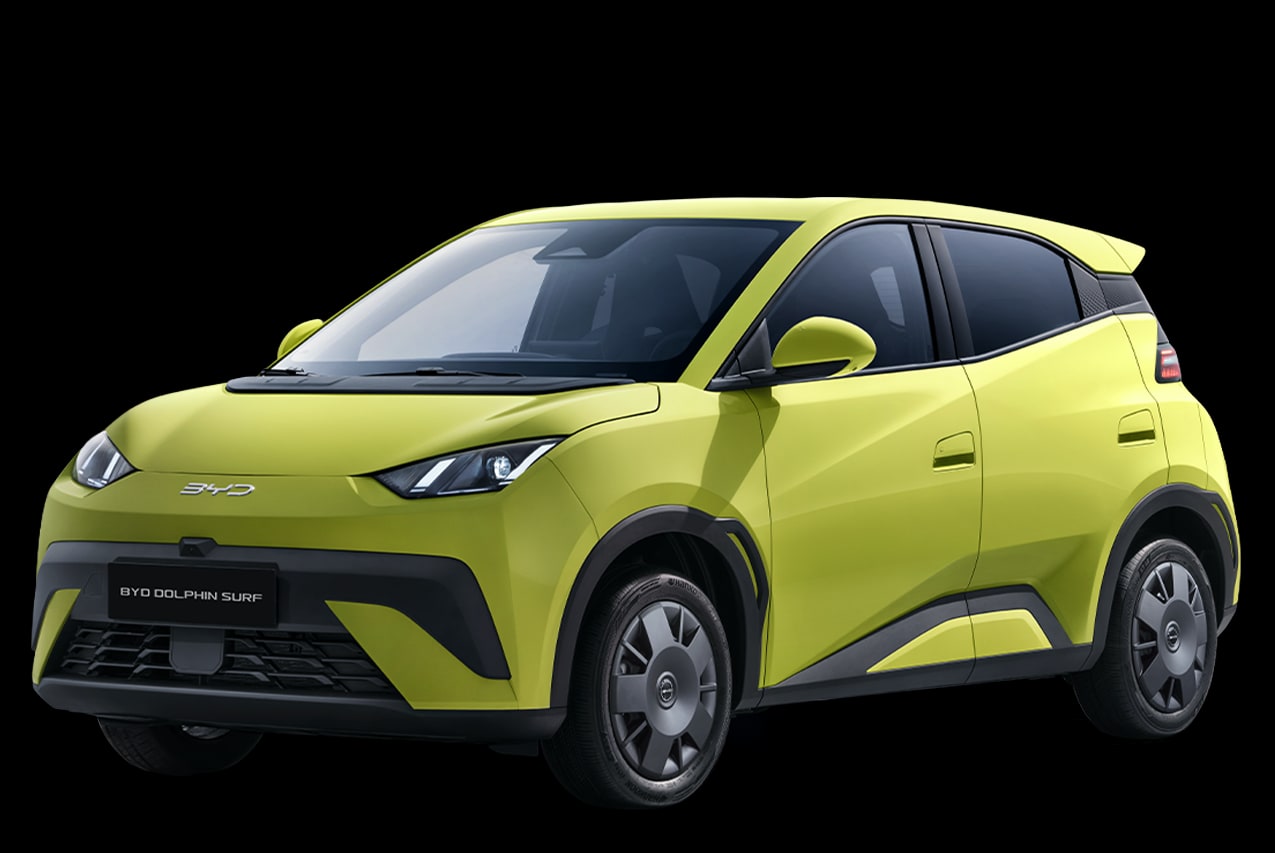

The main technical issue highlighted by Green NCAP’s assessment of the BYD DOLPHIN SURF Boost is the gap between warm-weather and cold-weather electric-car efficiency. The tested version uses a 43.2 kWh battery and has a system output of 65 kW (approximately 88 hp) and 175 Nm. In Green NCAP’s estimated mixed-driving results, energy consumption increased substantially in cold winter conditions, reducing the estimated range from 292 km (181 miles) to 210 km (130 miles).
How the Boost’s measured energy use changes with temperature
Green NCAP estimated mixed consumption at 16.8 kWh/100 km in warm weather. Under cold winter conditions, the figure rose to 23.4 kWh/100 km. That is an increase of 6.6 kWh/100 km, or roughly 39% compared with the warm-weather result.
Consumption expressed in kWh/100 km describes how much electrical energy the vehicle is estimated to use to travel 100 kilometres. A higher figure means that the same battery stores fewer kilometres of usable travel, although the final range estimate also depends on the test procedure and the energy available to the vehicle. Cold conditions can affect several parts of an electric car’s operation, but the supplied Green NCAP results do not separately identify the contribution of the battery, cabin heating, tyres or other systems.
The corresponding estimated mixed range was 292 km (181 miles) in warm conditions and 210 km (130 miles) in cold winter conditions. The 82-km difference is important when interpreting a small battery: a result that appears adequate in mild weather can provide a materially smaller operating buffer during winter journeys.
Why these figures should not be confused with WLTP
Green NCAP’s numbers are independent estimates from its assessment and are not a replacement for the vehicle’s declared WLTP figure. WLTP is a standardised laboratory test used for official type-approval and market information in relevant European markets, while Green NCAP reports results from its own assessment conditions. The two sets of figures therefore should not be treated as interchangeable, and the Green NCAP results supplied here do not establish a specific WLTP range for this Boost version.
The battery capacity also needs careful interpretation. The 43.2 kWh figure identifies the battery specified for the tested car, but it does not by itself determine real-world range. Consumption, temperature and test conditions all affect how many kilometres can be covered. For an owner comparing journeys, the most useful information in this assessment is therefore the combination of both results: 16.8 kWh/100 km and 292 km in warm conditions, versus 23.4 kWh/100 km and 210 km in cold winter conditions.
Safety and sustainability results refer to different assessments
Green NCAP awarded the 2026 DOLPHIN SURF Boost a five-star sustainability rating with an average score of 96%. That rating describes the scope of Green NCAP’s sustainability assessment; it should not be read as a crash-test score.
Separately, Euro NCAP lists a 2025 five-star safety rating for the BYD DOLPHIN SURF, with scores of 82% for adult-occupant protection and 86% for child-occupant protection. The safety result and the Green NCAP efficiency and sustainability result address different properties of the vehicle. The final technical limitation remains the winter test result itself: for this tested 43.2 kWh Boost, Green NCAP estimated 210 km (130 miles) of mixed range in cold conditions, rather than the 292 km (181 miles) estimated in warm weather.
Sources
Recommended Comments