




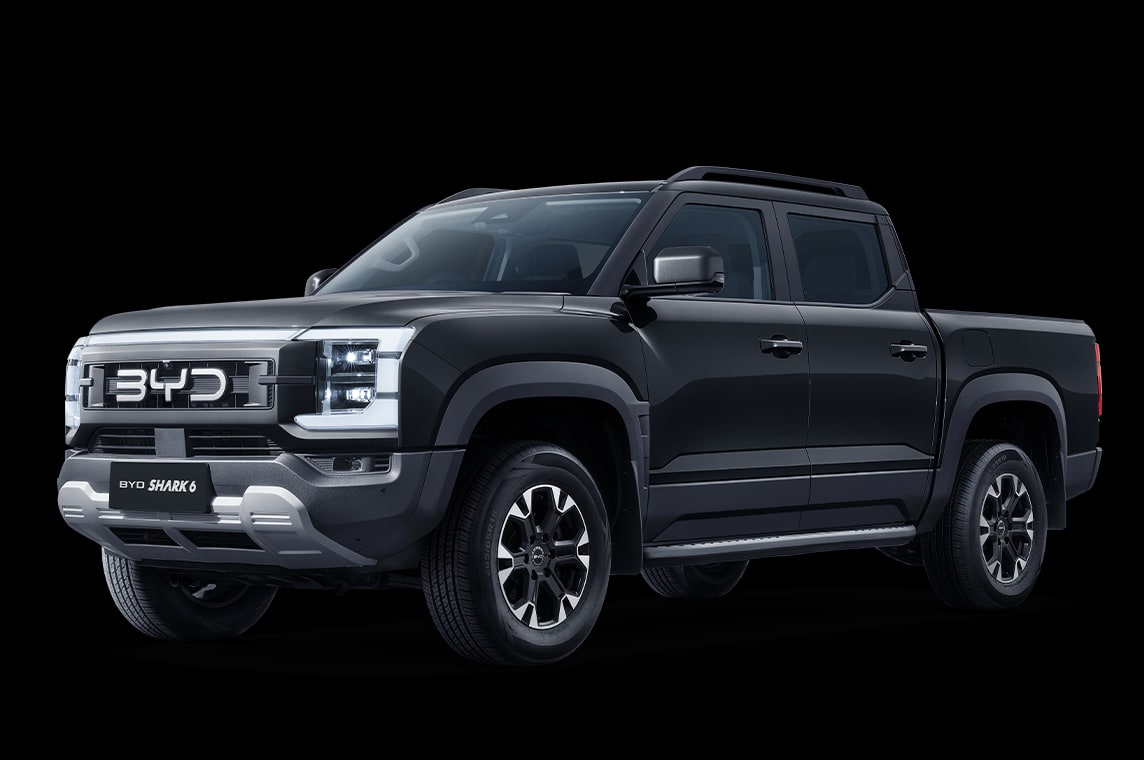

For European buyers considering BYD’s SHARK, the headline figures describe two different operating conditions. BYD quotes up to 105 km of electric range and up to 1,040 km of combined range, both measured under the WLTP test procedure. The SHARK is also listed by Euro NCAP as a five-door 4x4 pickup.
Those figures should not be read as two versions of the same range. The 105 km figure is the quoted distance available using electric power in the relevant WLTP measurement. The 1,040 km figure is a combined total that includes operation with the battery and the combustion engine. It is therefore not an all-electric driving range.
Separate the electric and combined WLTP figures
Start by recording which figure is relevant to the journey being considered. For trips that can be completed within the vehicle’s electric range, the useful reference is the up to 105 km electric WLTP range. For longer journeys, BYD’s up to 1,040 km combined WLTP range describes the manufacturer’s combined-cycle claim rather than a battery-only result.
Both numbers are labelled WLTP. They are test-cycle figures, not a guarantee of the distance available in every season, driving style or load condition. The supplied material does not provide an EPA figure, an independent real-world range test, charging time, battery capacity or a country-specific equipment specification. Those details should therefore not be inferred from the two WLTP numbers.
A practical check is to write the figures down separately before comparing the SHARK with another vehicle: “electric WLTP: up to 105 km” and “combined WLTP: up to 1,040 km.” This prevents the combined number from being presented as if it were electric range.
Check the fuel-use figure with the battery condition attached
BYD Germany lists combined fuel consumption of 9.6 L/100 km with a discharged battery. The battery condition is an essential part of that statement. It describes the quoted fuel-use result after the usable battery charge has been depleted in the stated test context; it is not the same claim as the vehicle’s combined WLTP range.
When recording or comparing this number, keep the wording intact: 9.6 L/100 km, combined, with a discharged battery, according to BYD Germany. Do not combine it with the 105 km electric figure to calculate a personal fuel bill, because the supplied facts do not include electricity consumption, charging cost, fuel price, route length or a country’s tax treatment.
Read the Euro NCAP entry as a vehicle description
The Euro NCAP SHARK listing identifies the tested vehicle as a five-door 4x4 pickup. That confirms the body and drivetrain description attached to the assessment. The supplied information does not state a star rating, individual protection scores, safety-assistance scores, test date or the precise market specification represented by the assessment.
Accordingly, a buyer checking safety information should use the listing to confirm the tested model and body type, then read the complete assessment before quoting a result. It would be inaccurate to turn the existence of the listing alone into a specific star rating or to assume that every market version has identical equipment.
A documented check before comparing market availability
- Confirm that the vehicle being discussed is the BYD SHARK and record whether the stated range is electric or combined.
- Keep “WLTP” beside both range figures: up to 105 km electric and up to 1,040 km combined.
- Record the 9.6 L/100 km figure together with its “discharged battery” condition and its German source.
- Open the Euro NCAP assessment and verify the tested description as a five-door 4x4 pickup before quoting safety results.
- Check the relevant national BYD material for actual local specification and availability; the supplied evidence establishes European marketing, but does not establish a launch date, price or retail availability in every European country.
For now, the firm comparison points supported by the cited material are the two WLTP range labels, the German discharged-battery fuel-use figure and the Euro NCAP vehicle description. Any country-specific purchase decision requires confirmation from the applicable national BYD documentation rather than treating Europe-wide marketing as proof of local sale.
Sources
Recommended Comments