





PTiCA
Administrators
-
Joined
-
Last visited
Everything posted by PTiCA
-
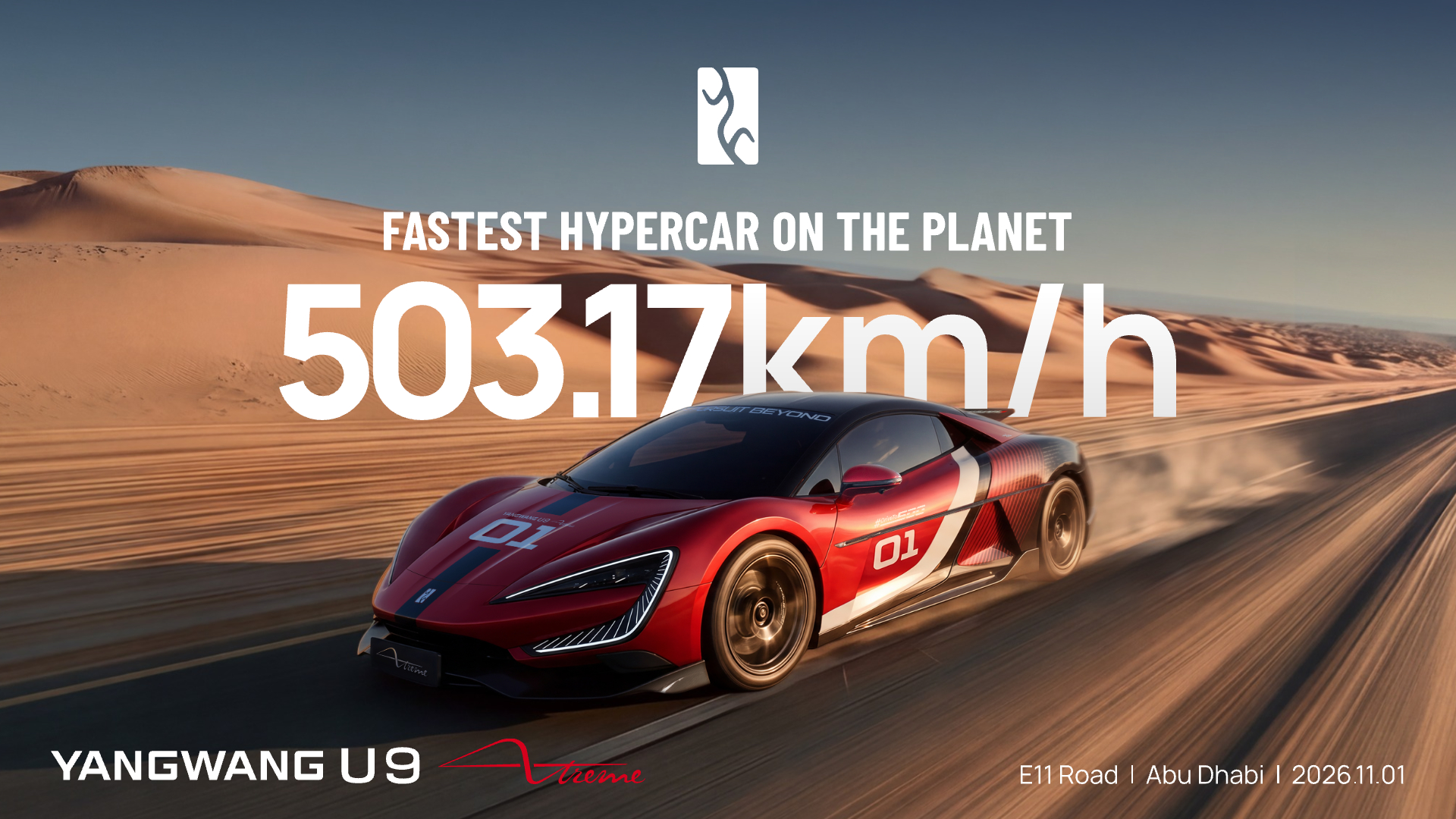 YANGWANG says its U9 Xtreme reached 503.17 km/h on 1 November 2026 during a controlled attempt on the E11 in Abu Dhabi's Al Dhafra region. BYD published the result on 6 November, reporting Guinness World Records for the highest speed achieved by a production car and by an electric production car in a single-direction run, together with FIA recognition. The record format is important when comparing top-speed headlines. This result is explicitly a single-direction run. The road was closed with local-authority cooperation, with 10 km available and a longest straight of seven kilometres. Marc Basseng drove the car, having also taken the U9 Xtreme to 496.22 km/h at ATP Papenburg in September 2025. Press photograph supplied by BYD. View photograph and source. How the team found the extra speed The release describes two runs on 31 October, reaching 490 km/h, followed by overnight changes. Engineers adjusted preparation procedures for battery and motor temperatures, increased rear-wing downforce, revised suspension rebound damping and refined tyre pressures. Two further runs on 1 November culminated in the reported 503.17 km/h. That makes this an example of the whole vehicle working together. Power delivery, thermal preparation, tyres, suspension and aerodynamics all feature in BYD's account of the attempt. The specialist Giti tyres and closely inspected road surface were part of the record programme. Press photograph supplied by BYD. View photograph and source. The technology behind U9 Xtreme BYD quotes 3,019 PS for the four-motor car, with individual motors rated at 555 kW and capable of up to 30,000 rpm. The e4 platform controls torque independently at each wheel. A 1,200 V electrical architecture and an LFP Blade Battery support the high discharge power, while DiSus-X provides active control at all four suspension corners. The same announcement cites the U9 Xtreme's 6 min 59.157 sec Nordschleife benchmark. Taken together, the two results offer separate views of its development programme, one focused on maximum speed and the other on a circuit lap. YANGWANG plans a worldwide production run of 30 U9 Xtreme cars. The company says some buyers have approved their individual specifications and are moving towards contracts and production scheduling. This remains a highly specialised hypercar programme within the wider BYD group. Press photographsPhotograph 1Photograph 2Photograph 3Browse the News gallery. Adapted by the BYDbase editorial team from the official BYD press release published 06 November 2026. Published on BYDbase by PTiCA. Photographs © BYD. This article is filed under the original press-release date. Editorial adaptation and source check completed on 6 November 2026.
-
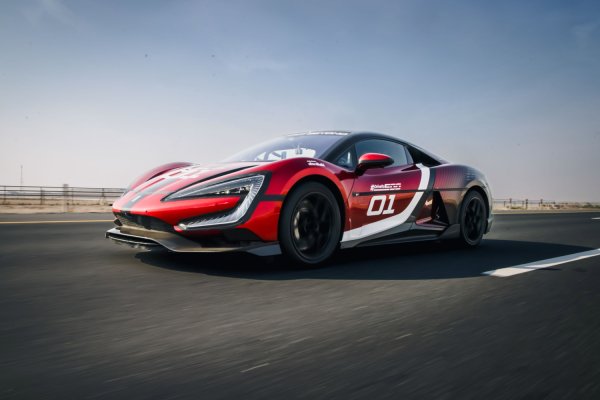 YANGWANG U9 Xtreme reaches 503.17 km/h in a single-direction record run — press photograph 2 Official BYD press image, curated by the BYDbase editorial team and uploaded by PTiCA. Credit: BYD. Press release published 2026-11-06. BYD press release · Source photograph. Reference: bydbase-news:byd-press-106297-inline-2. Read the BYDbase article.
-
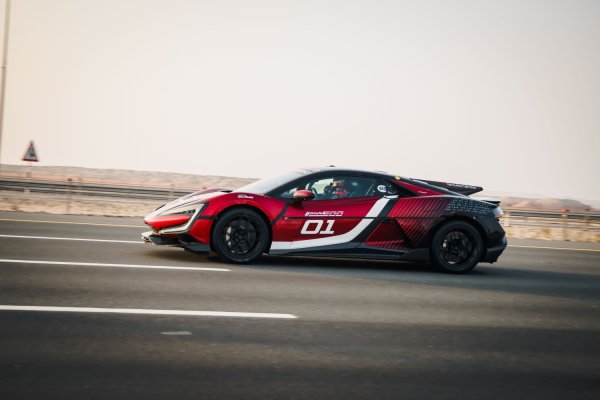 YANGWANG U9 Xtreme reaches 503.17 km/h in a single-direction record run — press photograph 1 Official BYD press image, curated by the BYDbase editorial team and uploaded by PTiCA. Credit: BYD. Press release published 2026-11-06. BYD press release · Source photograph. Reference: bydbase-news:byd-press-106297-inline-1. Read the BYDbase article.
-
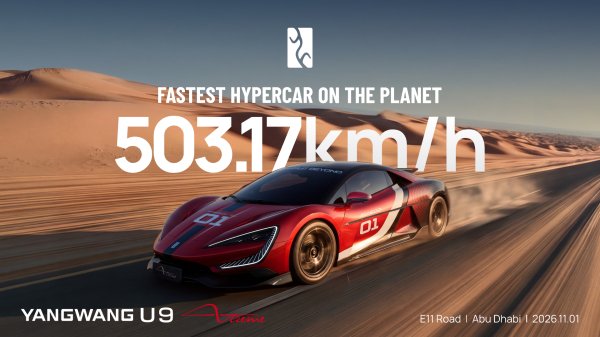 YANGWANG U9 Xtreme reaches 503.17 km/h in a single-direction record run — press photograph Official BYD press image, curated by the BYDbase editorial team and uploaded by PTiCA. Credit: BYD. Press release published 2026-11-06. BYD press release · Source photograph. Reference: bydbase-news:byd-press-106297-hero. Read the BYDbase article.
-
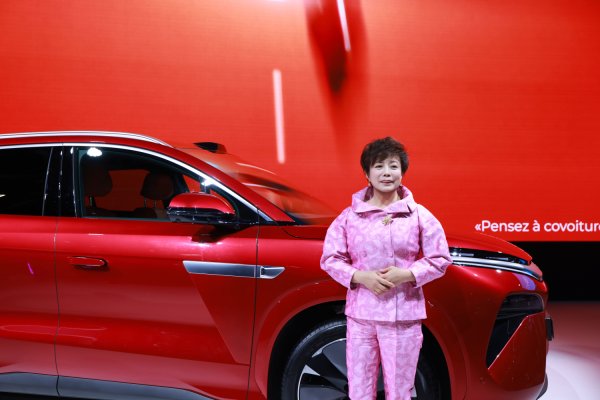
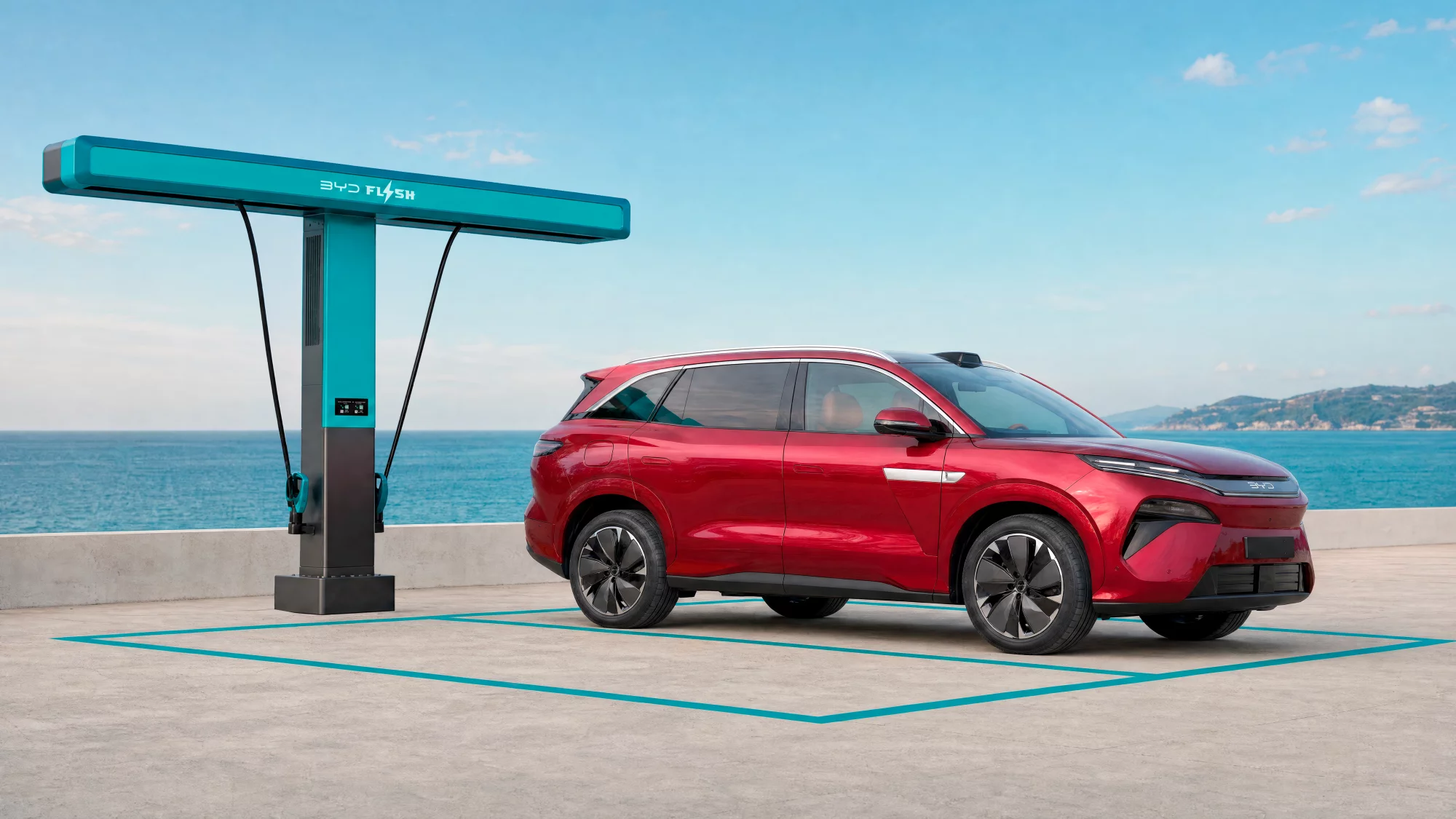 BYD used the 2026 Paris Motor Show to outline three changes to its European range. The electric ATTO 8 will become its flagship seven-seat SUV, SHARK DMO brings a plug-in hybrid pickup to the EU, and a revised DOLPHIN SURF adds a five-seat configuration on selected markets. ATTO 8 specifications for EuropeThe announced ATTO 8 measures 5,040 mm long and uses a 115 kWh second-generation Blade Battery. Design RWD has a 340 kW rear motor, a quoted 0–100 km/h time of eight seconds and 653 km of combined WLTP range. Excellence AWD raises system output to 570 kW, with 775 Nm, a 4.6-second sprint and 602 km WLTP. These figures belong to the European battery-electric model described in this announcement. Press photograph supplied by BYD. View photograph and source. BYD quotes FLASH Charging times of five minutes from 10% to 70% and nine minutes from 10% to 97%. Its cold-weather claim is 20% to 97% in 12 minutes at −30°C. Achieving those times requires the compatible vehicle and charging equipment. The announced European network target is 3,000 FLASH Charging stations by the end of 2027. For family use, the useful figures include 270 litres of luggage space with all three rows occupied, up to 1,960 litres with the rear rows folded, and a 136-litre front compartment. BYD lists a 15.6-inch central display, Google built-in and three-zone climate control. European sales are planned for the first quarter of 2027. SHARK DMO heads towards European salesThe five-seat pickup combines a 1.5-litre turbocharged petrol engine with two electric motors. The release specifies 436 PS and 650 Nm, a 32.2 kWh Blade Battery, up to 90 km of electric driving and 675 km of combined range. It quotes weighted WLTP fuel consumption of 3.5 l/100 km and 9.6 l/100 km at a low battery state of charge. For comparing plug-in pickups, the latter figure and charging routine provide essential context alongside the weighted result. Charging specifications include 11 kW AC and 55 kW DC, with 30–80% taking a claimed 21 minutes. Vehicle-to-load output reaches 6 kW. Initial sales are planned on selected markets within three months, followed by a wider European rollout in the first half of 2027. DOLPHIN SURF gains a five-seat optionThe updated SURF adds a central rear seat, revised cabin controls and automatic climate control across the range. Comfort receives a 12.8-inch multimedia screen with Google built-in and an 8.8-inch instrument display. BYD says four-seat and five-seat versions will coexist according to market requirements. When discussing specifications on the forum, identify the country, seating configuration and trim. Press photographsPhotograph 1 Photograph 2 Browse the News gallery. Adapted by the BYDbase editorial team from the official BYD press release published 12 October 2026. Published on BYDbase by PTiCA. Photographs © BYD. This article is filed under the original press-release date. Editorial adaptation and source check completed on 6 November 2026.
-
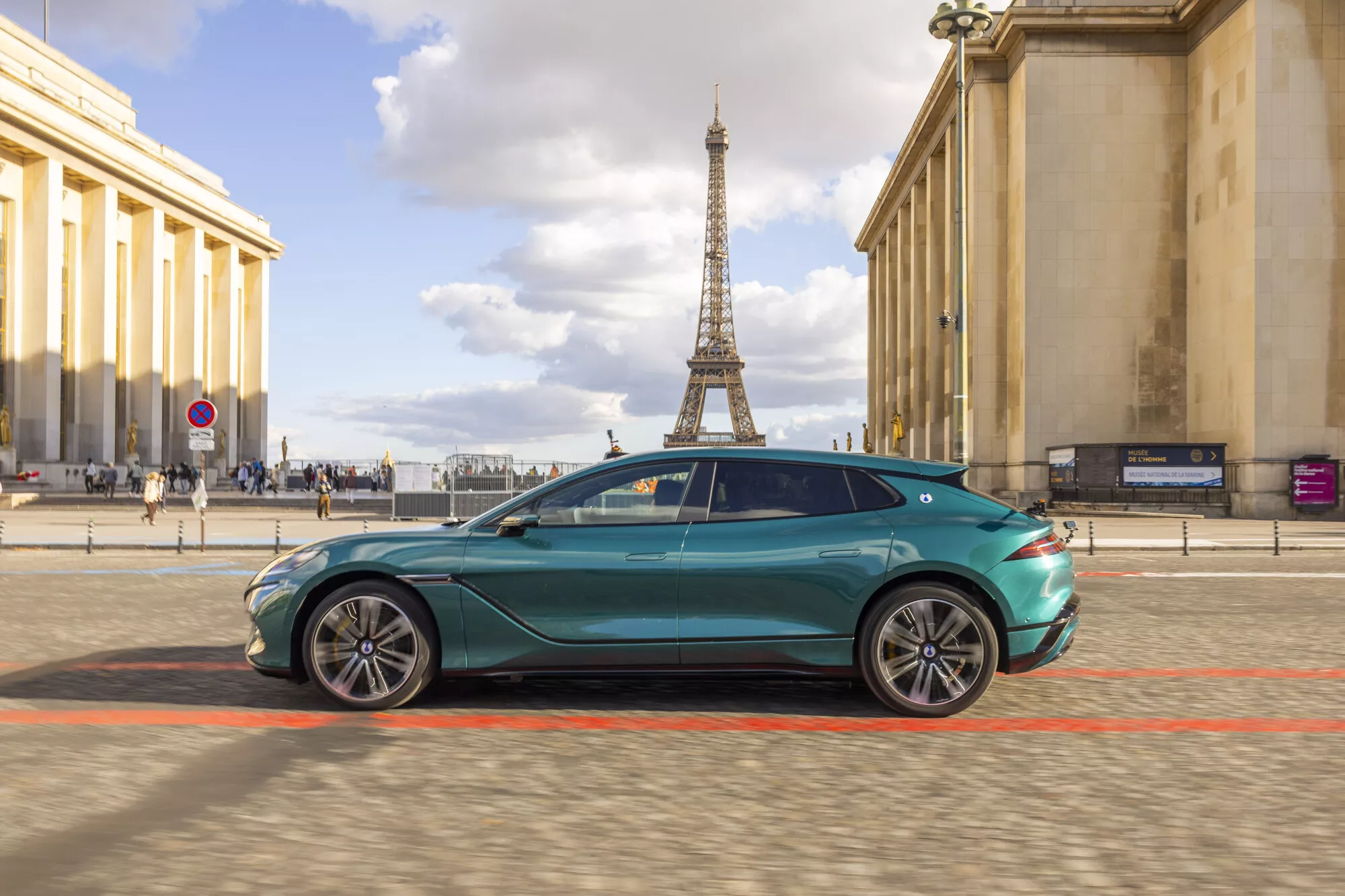 DENZA has set out a 2027 timetable for bringing more of its God's Eye driver-assistance functions to European Z9GT owners. The announcement focuses on City Navigation on Driving Assistant, or CNOA, with software delivery planned through an over-the-air update. According to DENZA, the system is being calibrated for local conditions before entering the required approval process under UN Regulation No. 171. The release describes intended support for urban tasks including traffic lights, roundabouts, junctions, lane changes around slower or parked vehicles, and responding to pedestrians and cyclists on narrow streets. The driver remains responsible for the vehicle throughout. DENZA also describes monitoring the driver's gaze, head position and hands on the steering wheel as part of the proposed European implementation. This makes driver supervision central to the announcement, even when the system is handling several parts of an urban journey. Z9GT hardware and rollout The stated rollout concerns the DENZA Z9GT. The company says the necessary hardware is already standard, comprising one LiDAR sensor, 11 cameras, three millimetre-wave radars and 12 ultrasonic sensors. For owners, the next milestones to follow are the approved operating conditions, country availability and the actual software release. The timing matters when comparing cars or discussing an update. In this October 2026 announcement, 2027 is the planned delivery window and local adaptation is still under way. The next published software and country rollout details will establish when individual owners can receive the functions. The hardware statement applies to the Z9GT configuration described by DENZA. More DENZA models at Paris The same release also presents the DENZA Z in Coupe, Spider and Racing forms. It describes a three-motor e3 Sports Car platform with 1,604 PS, a 76 kWh second-generation Blade Battery and FLASH Charging. BAO 5, Z9GT and D9 complete the broader Paris display. These vehicle announcements provide context for the brand's European expansion, while the CNOA software timetable remains the most directly relevant item for prospective Z9GT owners. Press photographsPhotograph 1Browse the News gallery. Adapted by the BYDbase editorial team from the official BYD press release published 12 October 2026. Published on BYDbase by PTiCA. Photographs © BYD. This article is filed under the original press-release date. Editorial adaptation and source check completed on 6 November 2026.
-
 DENZA plans European Z9GT city driving assistance through a 2027 software update — press photograph Official BYD press image, curated by the BYDbase editorial team and uploaded by PTiCA. Credit: BYD. Press release published 2026-10-12. BYD press release · Source photograph. Reference: bydbase-news:byd-press-99874-hero. Read the BYDbase article.
-
 ATTO 8 brings seven seats and FLASH Charging to Europe as SHARK DMO joins the Paris line-up — press photograph 1 Official BYD press image, curated by the BYDbase editorial team and uploaded by PTiCA. Credit: BYD. Press release published 2026-10-11. BYD press release · Source photograph. Reference: bydbase-news:byd-press-99796-inline-1. Read the BYDbase article.
-
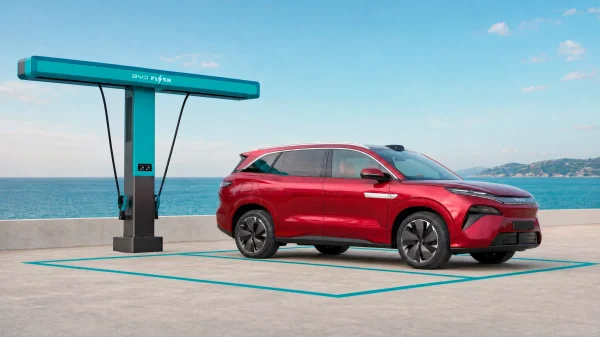 ATTO 8 brings seven seats and FLASH Charging to Europe as SHARK DMO joins the Paris line-up — press photograph Official BYD press image, curated by the BYDbase editorial team and uploaded by PTiCA. Credit: BYD. Press release published 2026-10-11. BYD press release · Source photograph. Reference: bydbase-news:byd-press-99796-hero. Read the BYDbase article.
-
 DENZA previews three Z variants alongside BAO 5 for Paris — press photograph Official BYD press image, curated by the BYDbase editorial team and uploaded by PTiCA. Credit: BYD. Press release published 2026-10-05. BYD press release · Source photograph. Reference: bydbase-news:byd-press-90565-hero. Read the BYDbase article.
-
 DENZA will use the Paris Motor Show, running from 12 to 18 October, to show how its European range extends beyond the Z9GT and D9. The announced display includes the BAO 5 off-road SUV and three versions of the DENZA Z electric performance car. The Z lineup comprises Coupé, Spider and Racing variants built on the e³ platform. DENZA quotes a three-motor drivetrain with 1,604 PS and 1,240 Nm, paired with a 76 kWh second-generation Blade Battery. Its published WLTP range figures are up to 410 km for the Coupé, 400 km for the Spider and 380 km for the Racing. Different performance targets within the Z family The manufacturer gives the Coupé a 0–100 km/h time of 2.25 seconds and a 300 km/h maximum speed. It quotes 2.3 seconds for the open-top Spider. For the Racing, fitted with optional semi-slick tyres, the announced figures reach 1.96 seconds and up to 350 km/h. The different tyre and variant specifications matter when comparing those numbers. All three versions are described with DiSus-M magnetorheological suspension, which adjusts damping rapidly. The Paris announcement presents the cars as a showcase for DENZA's performance engineering, alongside the more practical uses of the group's technology. BAO 5 supplies that second perspective. Its DMO plug-in hybrid system combines a 1.5-litre turbocharged petrol engine and two electric motors for a quoted 544 PS and 760 Nm. DENZA lists a 31.8 kWh battery, up to 90 km of electric range and up to 835 km of combined WLTP range. The Elegance version's stated 0–100 km/h time is 4.8 seconds. A FLASH Charger will also be on the stand, connecting the vehicle display to the infrastructure needed to support very short charging stops. The display brings the three Z variants together with the more practical BAO 5. Local prices, order timing and country-specific equipment will determine how those models enter DENZA's European range. Press photographsPhotograph 1Browse the News gallery. Adapted by the BYDbase editorial team from the official BYD press release published 05 October 2026. Published on BYDbase by PTiCA. Photographs © BYD. This article is filed under the original press-release date. Editorial adaptation and source check completed on 6 November 2026.
-
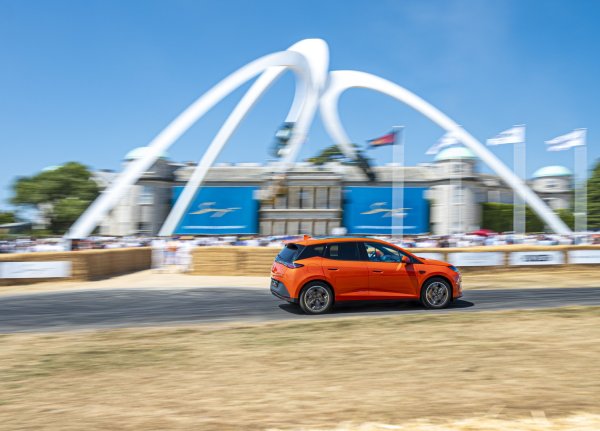 Goodwood gives a closer look at DOLPHIN G DM-i and SHARK — press photograph 2 Official BYD press image, curated by the BYDbase editorial team and uploaded by PTiCA. Credit: BYD. Press release published 2026-07-14. BYD press release · Source photograph. Reference: bydbase-news:byd-press-77773-inline-2. Read the BYDbase article.
-
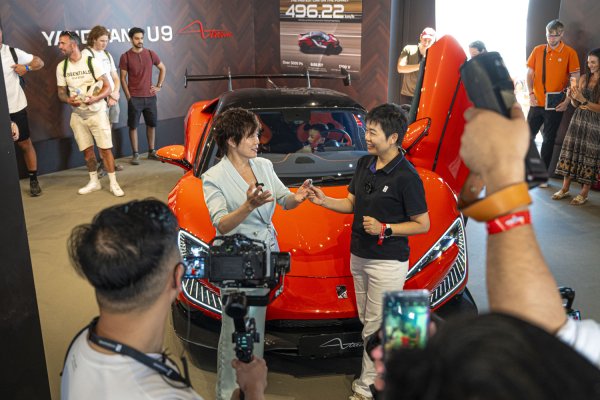 Goodwood gives a closer look at DOLPHIN G DM-i and SHARK — press photograph 1 Official BYD press image, curated by the BYDbase editorial team and uploaded by PTiCA. Credit: BYD. Press release published 2026-07-14. BYD press release · Source photograph. Reference: bydbase-news:byd-press-77773-inline-1. Read the BYDbase article.
-
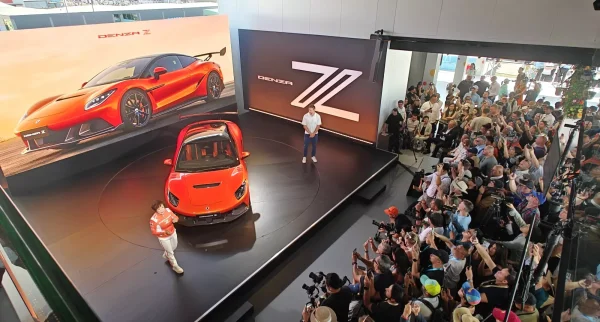 Goodwood gives a closer look at DOLPHIN G DM-i and SHARK — press photograph Official BYD press image, curated by the BYDbase editorial team and uploaded by PTiCA. Credit: BYD. Press release published 2026-07-14. BYD press release · Source photograph. Reference: bydbase-news:byd-press-77773-hero. Read the BYDbase article.
-
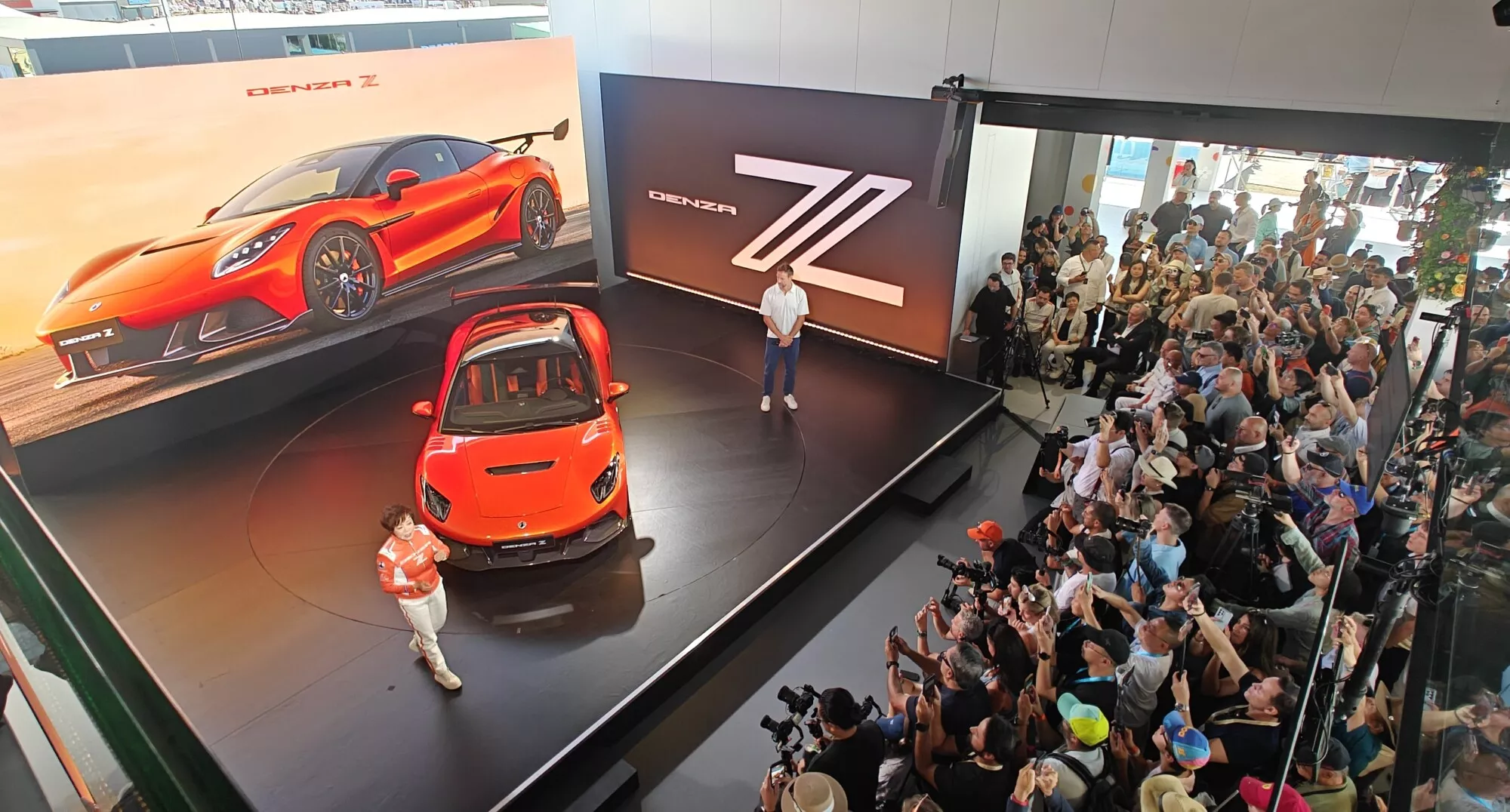 BYD's Goodwood Festival of Speed recap offers a useful view of the group's expanding European and UK product plans. Eight model debuts across BYD, DENZA and YANGWANG covered small plug-in hybrids, pickups, off-road SUVs and very high-performance electric cars. For mainstream buyers, the two BYD models highlighted for the UK were DOLPHIN G DM-i and SHARK. DOLPHIN G DM-i brings the company's Dual Mode plug-in hybrid system to a small-car format, combining electric drive with a 1.5-litre petrol engine. It also features Google built-in services. The model has its own hybrid powertrain and should be identified by the full DOLPHIN G DM-i name when discussing specifications. Press photograph supplied by BYD. View photograph and source. The SHARK pickup uses the off-road-oriented DMO system. In this UK-focused release, BYD quotes 436 PS and 0–100 km/h in 5.7 seconds. It gives an electric range of 55.9 miles and total range of 419 miles with a full battery and fuel tank. Those are the figures attached to the model shown in this market announcement. DENZA and YANGWANG demonstrate the wider technology range DENZA's display included the new Z performance car, presented with a claimed 1,604 PS, and the BAO 5 plug-in hybrid SUV. Visitors could experience BAO 5 passenger rides on an off-road course. The group also demonstrated FLASH Charging using a DENZA Z Racing and Z9GT, reporting a 10–70% battery charge in five minutes. Press photograph supplied by BYD. View photograph and source. YANGWANG brought the U9 Xtreme, with four motors and a 1,200 V architecture, to the hill climb. Another U9 demonstrated the DiSus-X body-control system, while the U8L SUV and U7 saloon broadened the display. The UK-focused announcement puts small-car hybrid technology, off-road DMO and FLASH Charging into the same event programme. Individual model launches will determine the final equipment and local sales arrangements. BYD says it will return to Goodwood in 2027. Press photographsPhotograph 1Photograph 2Photograph 3Browse the News gallery. Adapted by the BYDbase editorial team from the official BYD press release published 14 July 2026. Published on BYDbase by PTiCA. Photographs © BYD. This article is filed under the original press-release date. Editorial adaptation and source check completed on 6 November 2026.
-
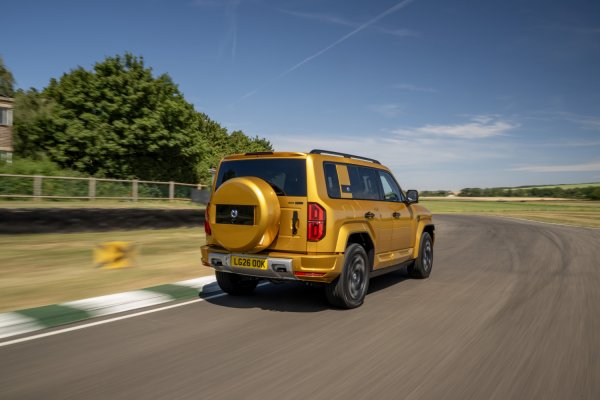 DENZA BAO 5 heads to Europe with DMO power and 90 km electric range — press photograph 2 Official BYD press image, curated by the BYDbase editorial team and uploaded by PTiCA. Credit: BYD. Press release published 2026-07-09. BYD press release · Source photograph. Reference: bydbase-news:byd-press-64933-inline-2. Read the BYDbase article.
-
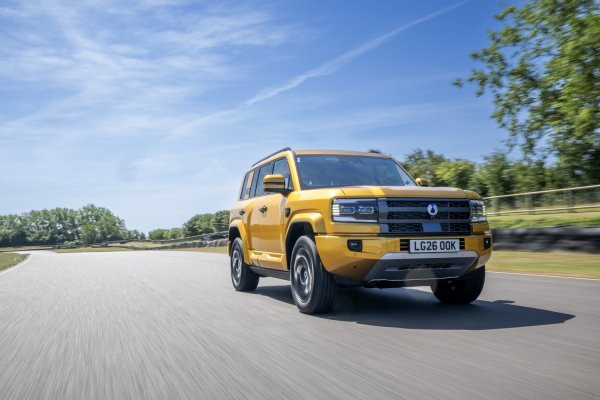 DENZA BAO 5 heads to Europe with DMO power and 90 km electric range — press photograph 1 Official BYD press image, curated by the BYDbase editorial team and uploaded by PTiCA. Credit: BYD. Press release published 2026-07-09. BYD press release · Source photograph. Reference: bydbase-news:byd-press-64933-inline-1. Read the BYDbase article.
-
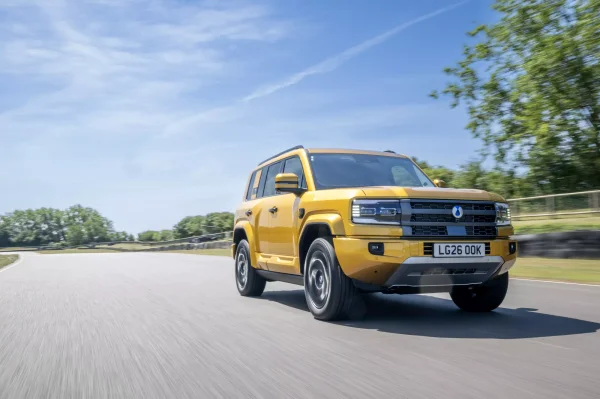 DENZA BAO 5 heads to Europe with DMO power and 90 km electric range — press photograph Official BYD press image, curated by the BYDbase editorial team and uploaded by PTiCA. Credit: BYD. Press release published 2026-07-09. BYD press release · Source photograph. Reference: bydbase-news:byd-press-64933-hero. Read the BYDbase article.
-
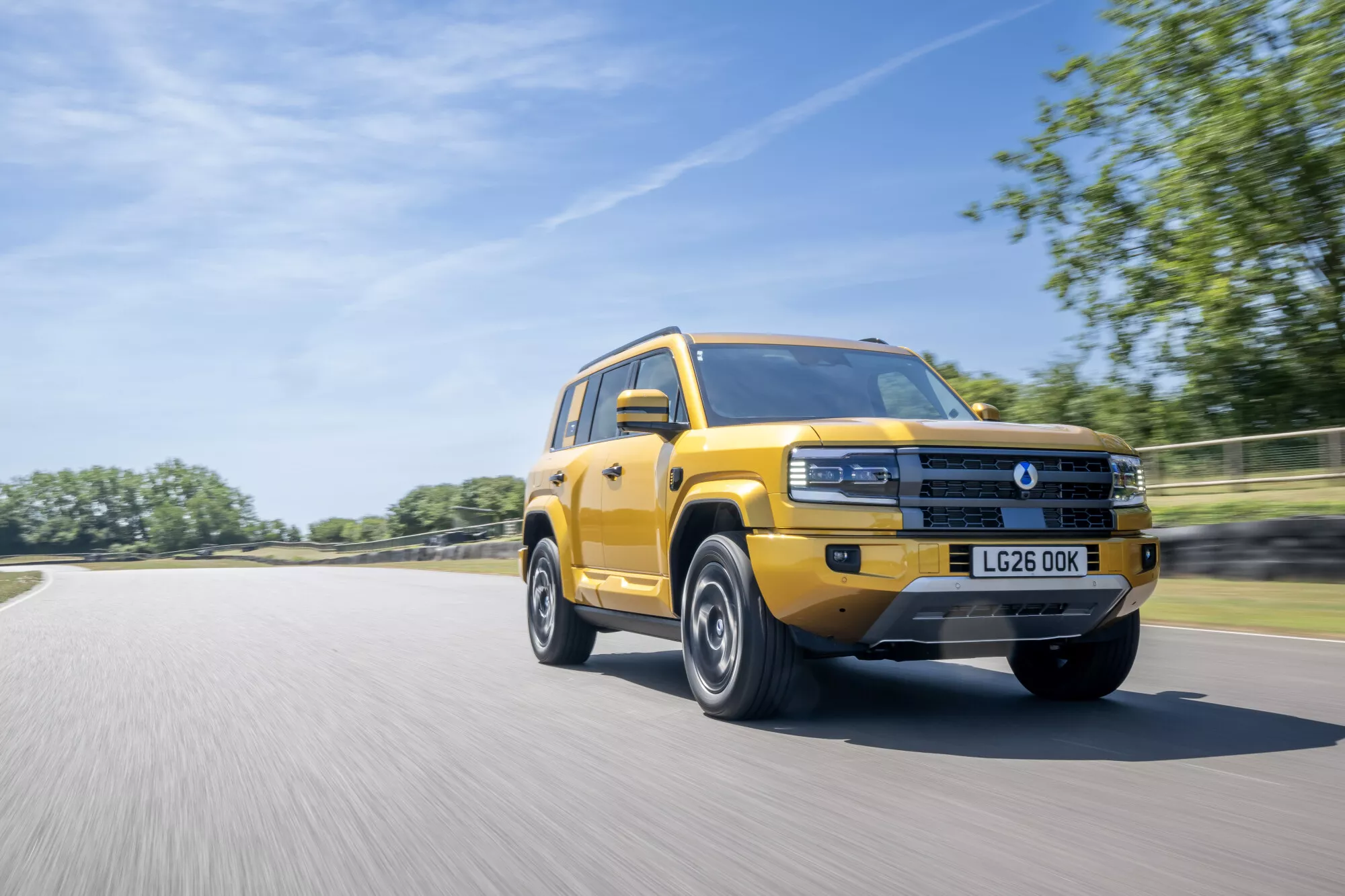 DENZA has presented the European BAO 5 at the Goodwood Festival of Speed. The five-seat SUV uses the BYD Group's DMO plug-in hybrid system and a body-on-frame construction, with an emphasis on towing and off-road capability as well as everyday electric driving. The European specification combines a 1.5-litre turbocharged petrol engine with electric motors at both axles. DENZA quotes 400 kW of total system power, or 544 PS, and 760 Nm of torque. A 31.8 kWh Blade Battery provides a stated 90 km of electric WLTP range. Total range with a full battery and fuel tank is quoted at 835 km under WLTP. Press photograph supplied by BYD. View photograph and source. Two trims with different chassis equipment The Elegance version has double-wishbone suspension at both axles. Ultimate adds the DiSus-P hydraulic body-control system, including adjustable ride height. DENZA states that Ultimate can increase ground clearance to 310 mm, with approach and departure angles of 39 and 34 degrees. The published maximum trailer weight is 2,500 kg. Charging is specified at up to 11 kW AC or 100 kW DC. The release gives a DC example of 30–80% in sixteen minutes and an AC example of 15–100% in a little over three hours. The quoted weighted fuel consumption is a plug-in hybrid test figure, which makes the amount of driving completed on charged battery energy an important part of any ownership comparison. Press photograph supplied by BYD. View photograph and source. The cabin includes a 15.6-inch central screen, a separate front-passenger display, Google built-in services and a digital key. Several comfort items vary between Elegance and Ultimate, including rear-seat ventilation and additional wireless charging. The cargo table lists 475 litres behind the rear seats and 1,069 litres with them folded. DENZA says European orders will open during the summer, with first deliveries planned for the fourth quarter of 2026. For prospective buyers, the specific trim, tow rating and charging arrangements are worth comparing alongside the headline power figures, particularly if the SUV will regularly combine short electric trips with towing or longer journeys. Press photographsPhotograph 1Photograph 2Photograph 3Browse the News gallery. Adapted by the BYDbase editorial team from the official BYD press release published 09 July 2026. Published on BYDbase by PTiCA. Photographs © BYD. This article is filed under the original press-release date. Editorial adaptation and source check completed on 6 November 2026.
-
 DENZA D9 DM-i brings a 58.5 kWh battery to a seven-seat MPV — press photograph Official BYD press image, curated by the BYDbase editorial team and uploaded by PTiCA. Credit: BYD. Press release published 2026-06-02. BYD press release · Source photograph. Reference: bydbase-news:byd-press-44107-hero. Read the BYDbase article.
-
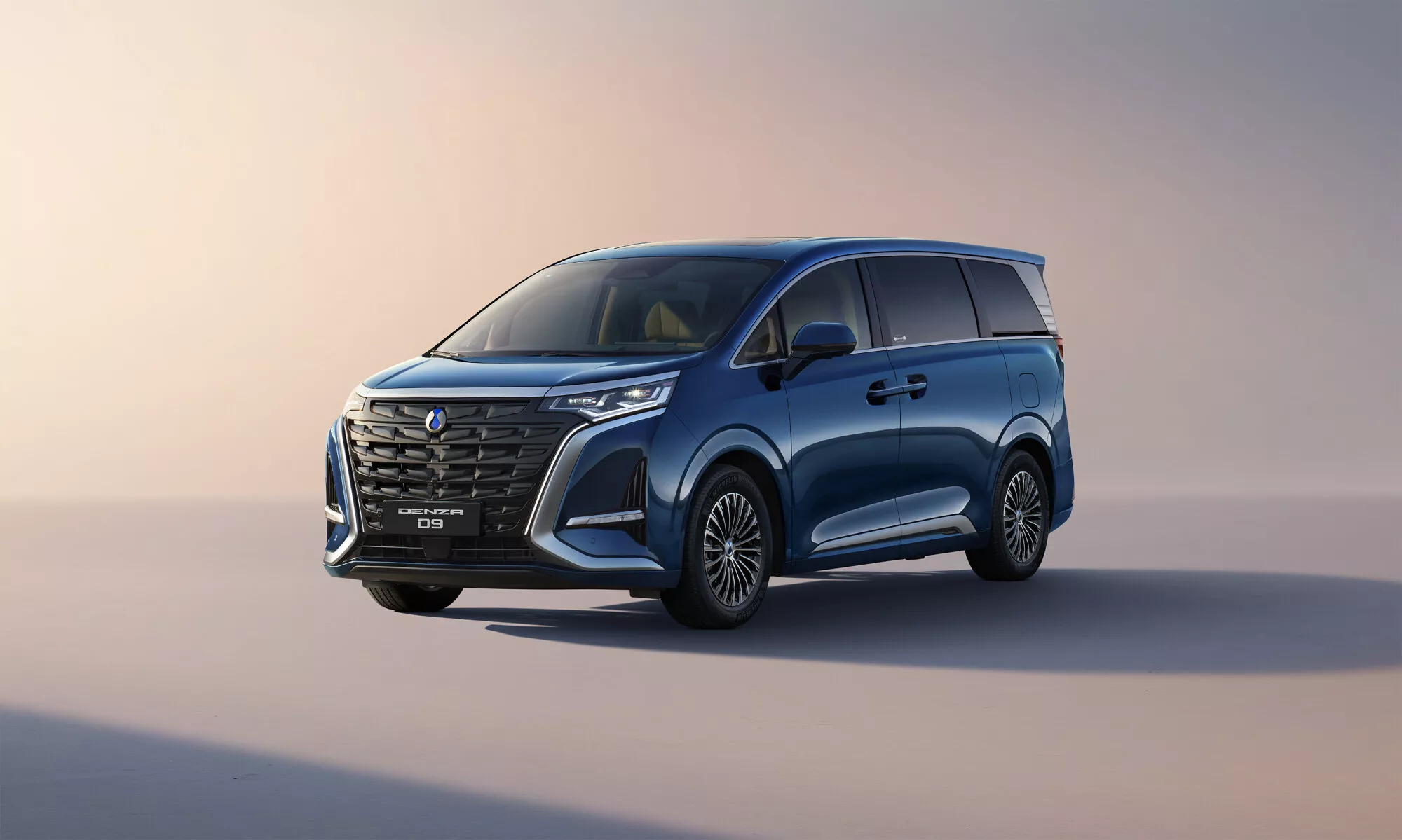 DENZA has introduced the D9 DM-i as its second model for Europe. The seven-seat MPV combines a plug-in hybrid drivetrain with a large 58.5 kWh Blade Battery and unusually high DC charging capability for this type of vehicle. DENZA quotes up to 210 km of electric WLTP range and up to 950 km of combined range with a full battery and a full 64-litre fuel tank. The all-wheel-drive system has 260 kW of total output, quoted as 353 PS, and a 0–100 km/h time of 8.6 seconds. Its 1.5-litre turbocharged petrol engine works with electric drive units at both axles and an additional generator. Charging and space are the main discussion points The release specifies 11 kW AC charging and up to 559 kW DC with FLASH Charging. DENZA claims five minutes from 10% to 70% and nine minutes from 10% to 97%. Its low-temperature example is twelve minutes from 20% to 97% at −30°C. Those timings depend on the compatible charging system described by the manufacturer. The D9 measures 5,250 mm long and uses a 2+2+3 seating layout. With seven seats in use, quoted luggage capacity varies from 430 to 570 litres according to the position of the third row. Folding the third row and moving the second row forward increases the quoted capacity to 2,310 litres. Sliding doors on both sides provide access to the rear cabin. Europe gets Elegance and Ultimate trims with the same powertrain. The Ultimate version adds features including second-row reclining seats, extra passenger screens and more extensive seat heating and ventilation. The Polish release says sales in Poland begin in June. For family buyers and high-mileage passenger transport, the questions raised by the D9 are practical ones, how much luggage fits with every seat occupied, how often the car can be charged, and how the chosen seating layout works for regular passengers. Press photographsPhotograph 1Browse the News gallery. Adapted by the BYDbase editorial team from the official BYD press release published 02 June 2026. Published on BYDbase by PTiCA. Photographs © BYD. This article is filed under the original press-release date. Editorial adaptation and source check completed on 6 November 2026.
-
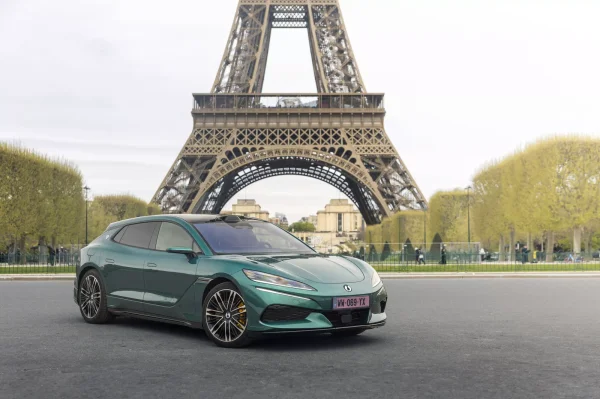 DENZA details the European Z9GT with electric and plug-in hybrid power — press photograph Official BYD press image, curated by the BYDbase editorial team and uploaded by PTiCA. Credit: BYD. Press release published 2026-06-02. BYD press release · Source photograph. Reference: bydbase-news:byd-press-38974-hero. Read the BYDbase article.
-
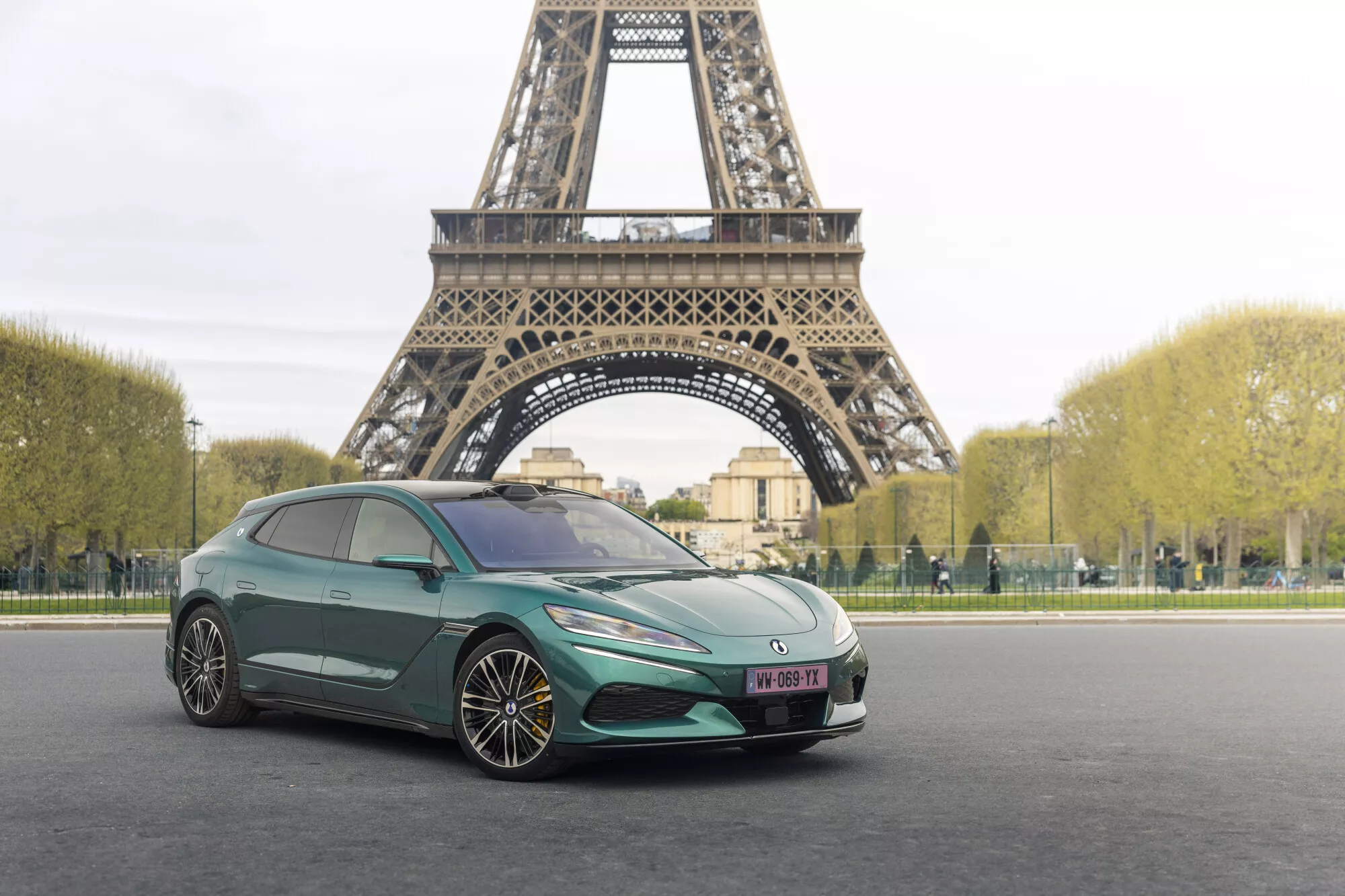 DENZA has published European specifications for its flagship Z9GT shooting brake, including both battery-electric and plug-in hybrid versions. Both use the e³ platform, with independently controlled rear-wheel steering and the BYD Group's FLASH Charging technology. The electric model combines three motors for 850 kW, quoted as 1,156 PS in the release. DENZA gives a 0–100 km/h time of 2.7 seconds and a top speed of 270 km/h. A 122.49 kWh Blade Battery supports a claimed 600 km of combined WLTP range. A rear-wheel-drive electric version with a longer claimed range is planned for later in 2026. The DM version adds a petrol engine and a smaller battery The Z9GT DM pairs a 2.0-litre turbocharged petrol engine with three electric motors and a 63.82 kWh battery. DENZA quotes total system output of 570 kW, or 776 PS, with 0–100 km/h in 3.6 seconds. Its published figures include 203 km of electric range and 805 km of total range with a full battery and fuel tank. The release claims the same FLASH Charging time windows for the EV and DM versions, with 10–70% in five minutes and 10–97% in nine minutes. At −30°C, the quoted window changes to 20–97% in twelve minutes. The stated charger capability of up to 1,500 kW uses the Chinese connector standard. The vehicle's capabilities and the specification of the available charging site therefore need to be considered together. There is more to the platform than acceleration. DENZA describes rear wheels that can steer independently, a minimum turning radius of 5.35 metres and diagonal movement intended to help with manoeuvring. DiSus-A dual-chamber air suspension and a vehicle motion controller coordinate chassis functions. The EV and DM versions offer different battery capacities and long-distance powertrain options within the same body style. These performance and range figures come from DENZA's European launch material, with trim equipment and availability determined by the offer in each country. Press photographsPhotograph 1Browse the News gallery. Adapted by the BYDbase editorial team from the official BYD press release published 02 June 2026. Published on BYDbase by PTiCA. Photographs © BYD. This article is filed under the original press-release date. Editorial adaptation and source check completed on 6 November 2026.
-
 BYD announces China's God’s Eye damage cover and XUANJI A3 chip — press photograph 1 Official BYD press image, curated by the BYDbase editorial team and uploaded by PTiCA. Credit: BYD. Press release published 2026-06-02. BYD press release · Source photograph. Reference: bydbase-news:byd-press-43477-inline-1. Read the BYDbase article.
-
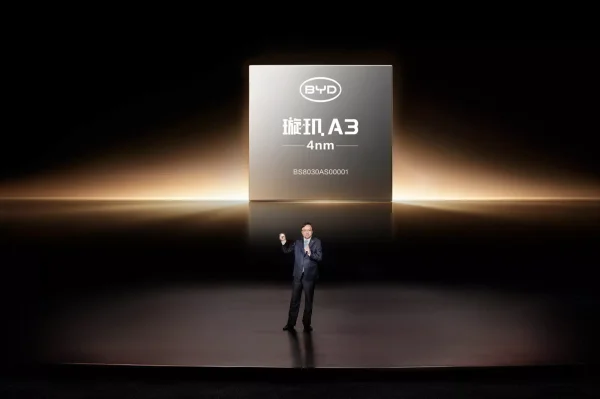 BYD announces China's God’s Eye damage cover and XUANJI A3 chip — press photograph Official BYD press image, curated by the BYDbase editorial team and uploaded by PTiCA. Credit: BYD. Press release published 2026-06-02. BYD press release · Source photograph. Reference: bydbase-news:byd-press-43477-hero. Read the BYDbase article.