





PTiCA
Administrators
-
Joined
-
Last visited
Everything posted by PTiCA
-
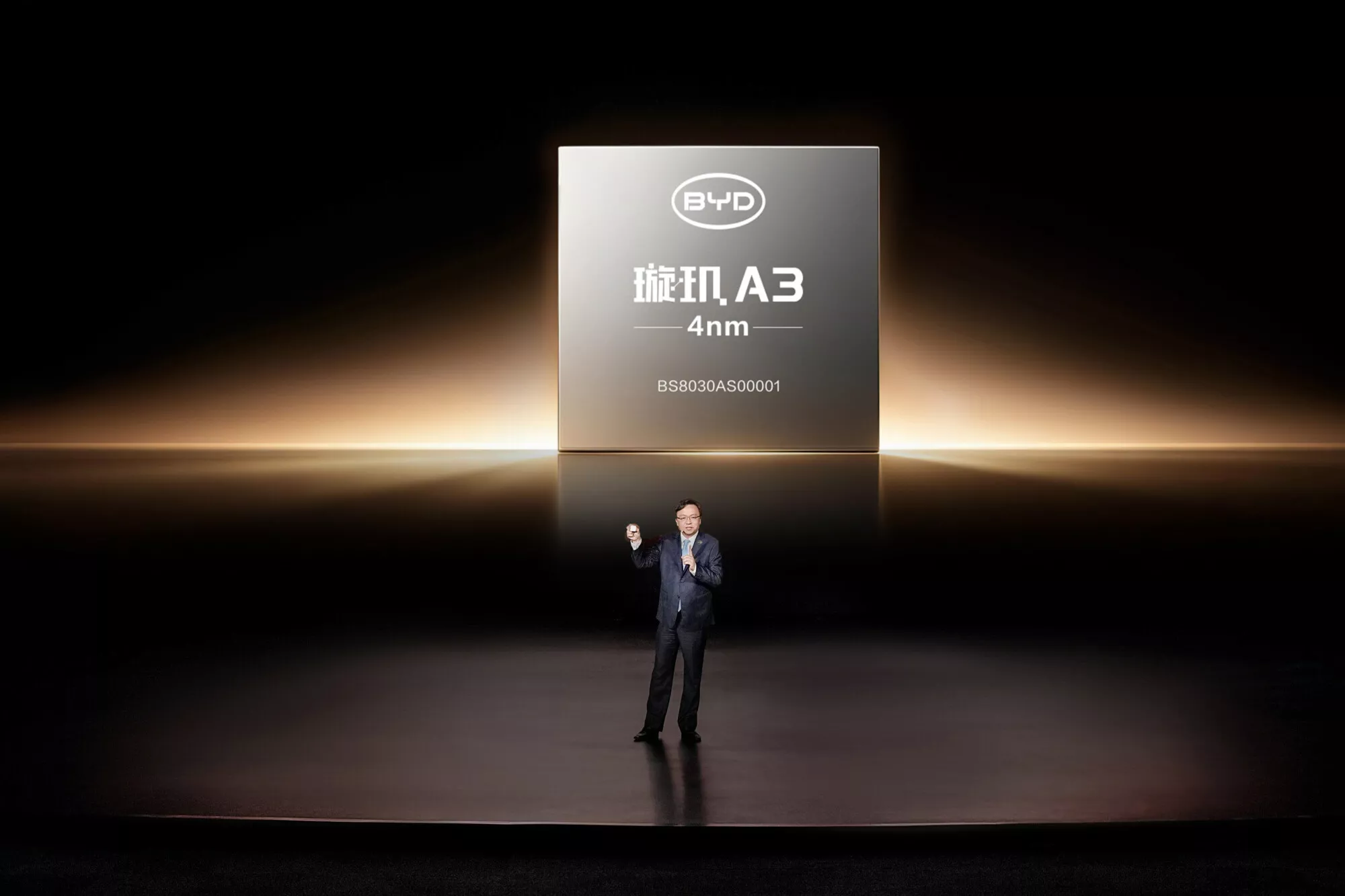 BYD has announced a new driver-assistance programme for China alongside its XUANJI A3 automotive processor. The release combines a financial commitment around Urban Navigate on Autopilot with hardware and software developments for the company's God’s Eye system. According to BYD, the one-year Full Damage Coverage programme applies to new customers and existing Chinese-market owners who update to God’s Eye 5.0. It describes direct coverage of financial losses from qualifying incidents during lawful use of Urban NOA where the user bears legal responsibility. The announcement places that commitment in China and ties it to specified software and operating conditions. Press photograph supplied by BYD. View photograph and source. What the technology announcement includes BYD also says its Chinese model range can now be specified with a LiDAR-equipped version of God’s Eye. It describes a revised XUANJI Architecture 2.0, further development of its driving AI model and learning from real-world scenarios. The company reports more than 3.15 million vehicles with its intelligent assistance systems and a development team of around 5,000 engineers. The new XUANJI A3 system-on-chip uses a 4 nm manufacturing process. BYD says a configuration with three chips can provide more than 2,100 TOPS per vehicle, and describes the hardware as supporting future Level 3 and Level 4 applications. These figures describe processing capability and the intended technical platform. Deployment of a particular automated-driving function also involves the vehicle, software and approval conditions for its market. The cabin receives a separate DiLink AI assistant, which BYD says can understand and proactively carry out more tasks inside the vehicle. Together, the announcements show where the company's Chinese-market software development is heading. For BYDbase readers in Europe and the Americas, the useful distinction is the market and software version attached to each feature. This release provides a China-specific technology update. Local vehicle specifications, authorised functions and programme terms remain the documents to consult for an individual car. Press photographsPhotograph 1Photograph 2Browse the News gallery. Adapted by the BYDbase editorial team from the official BYD press release published 02 June 2026. Published on BYDbase by PTiCA. Photographs © BYD. This article is filed under the original press-release date. Editorial adaptation and source check completed on 6 November 2026.
-
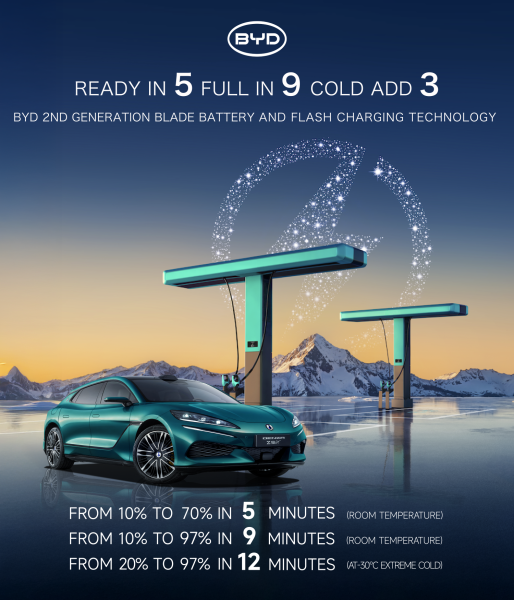
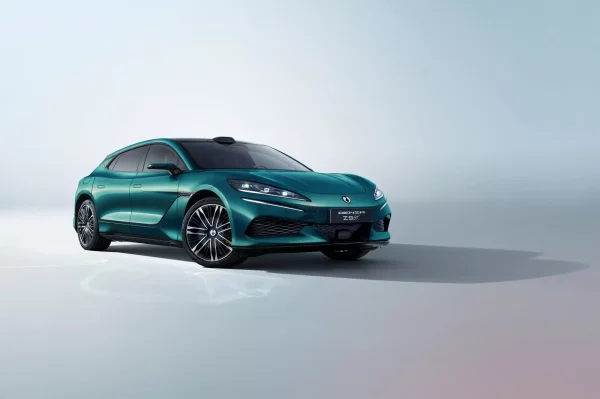
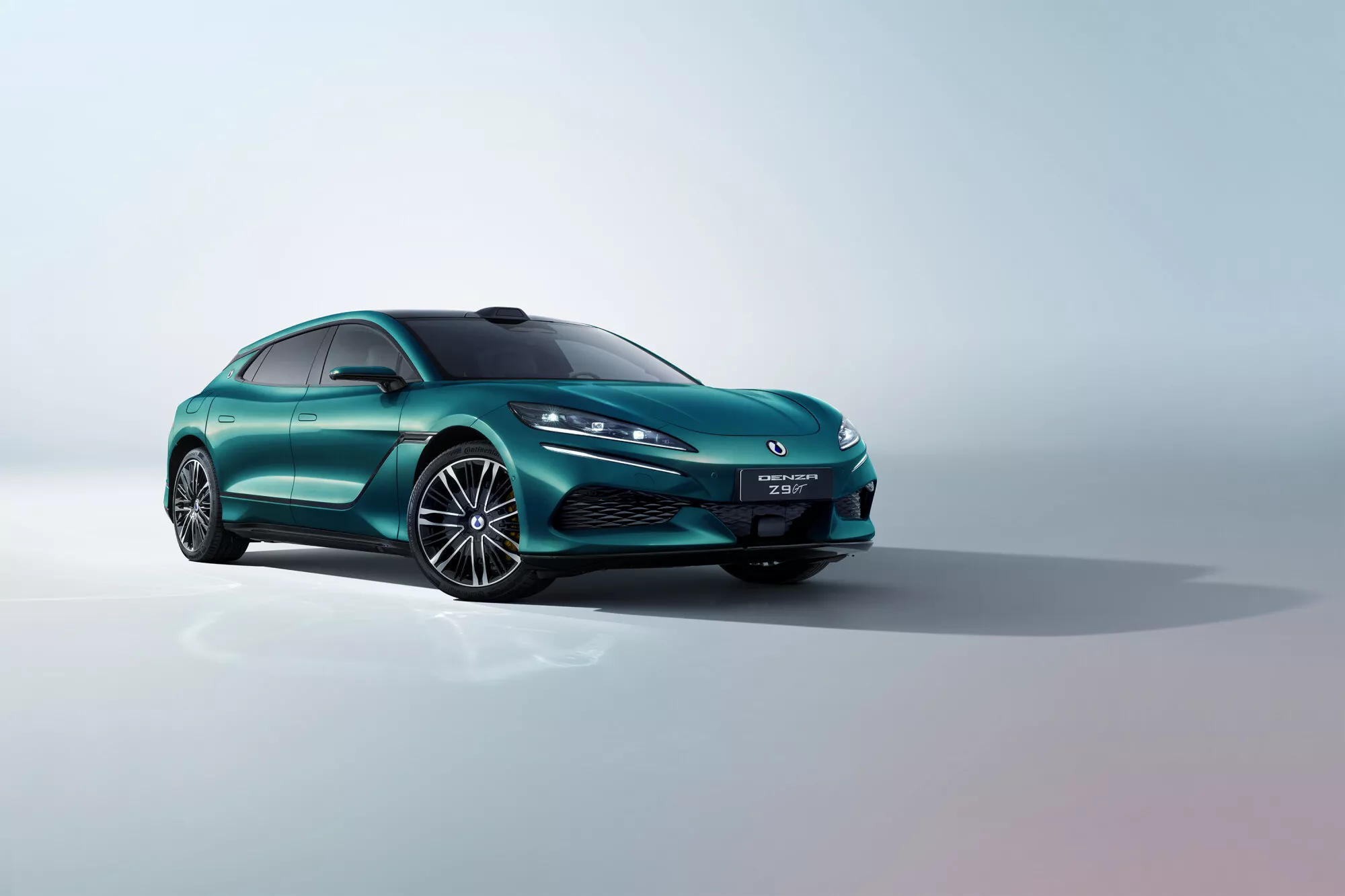 DENZA has set 8 April for the European presentation of its Z9GT, with an event at the Palais Garnier in Paris. The shooting brake will introduce the BYD Group's second-generation Blade Battery and FLASH Charging technology to the brand's European launch programme. The headline charging claims are five minutes from 10% to 70% and nine minutes from 10% to 97%. For the cold-weather demonstration, DENZA quotes twelve minutes from 20% to 97% at −30°C. Keeping those different starting points in view makes the figures more useful than the short advertising slogan. Press photograph supplied by BYD. View photograph and source. A large battery and several drivetrain configurations The March announcement describes a 122 kWh battery and a rear-wheel-drive version with a claimed range of up to 800 km. It also previews a three-motor electric variant with more than 960 PS and a 0–100 km/h time below three seconds. The release presents 800 km as an initial manufacturer claim, with the detailed European specifications still due. Under the body is DENZA's e³ platform. The brand positions the Z9GT as a long-distance grand tourer, with an interior audio system developed with Devialet and support for Dolby Atmos. The charging announcement gives an early view of the technology, while the full model presentation will determine the exact specification offered to European customers. The charger figure of up to 1,500 kW refers to the Chinese connector specification. DENZA says a first batch of European FLASH Charging stations forms part of the international rollout, with infrastructure plans still to be announced. For anyone considering the Z9GT, the relationship between the car's charging capability and accessible local stations will matter as much as the peak power. Press photographsPhotograph 1Photograph 2Browse the News gallery. Adapted by the BYDbase editorial team from the official BYD press release published 13 March 2026. Published on BYDbase by PTiCA. Photographs © BYD. This article is filed under the original press-release date. Editorial adaptation and source check completed on 6 November 2026.
-
 DENZA sets April European launch for the Z9GT and FLASH Charging — press photograph 1 Official BYD press image, curated by the BYDbase editorial team and uploaded by PTiCA. Credit: BYD. Press release published 2026-03-13. BYD press release · Source photograph. Reference: bydbase-news:byd-press-37865-inline-1. Read the BYDbase article.
-
 DENZA sets April European launch for the Z9GT and FLASH Charging — press photograph Official BYD press image, curated by the BYDbase editorial team and uploaded by PTiCA. Credit: BYD. Press release published 2026-03-13. BYD press release · Source photograph. Reference: bydbase-news:byd-press-37865-hero. Read the BYDbase article.
-
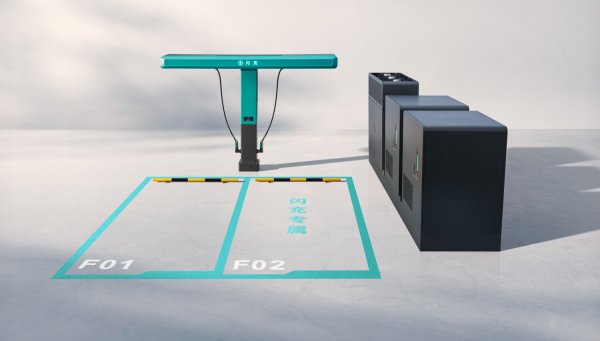 BYD introduces Blade Battery 2.0 and 1500 kW FLASH Charging — press photograph 2 Official BYD press image, curated by the BYDbase editorial team and uploaded by PTiCA. Credit: BYD. Press release published 2026-03-05. BYD press release · Source photograph. Reference: bydbase-news:byd-press-37376-inline-2. Read the BYDbase article.
-
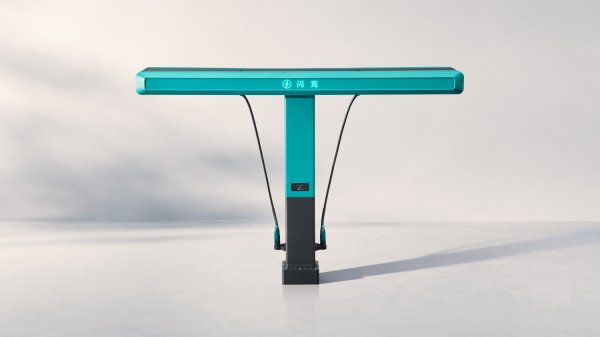 BYD introduces Blade Battery 2.0 and 1500 kW FLASH Charging — press photograph 1 Official BYD press image, curated by the BYDbase editorial team and uploaded by PTiCA. Credit: BYD. Press release published 2026-03-05. BYD press release · Source photograph. Reference: bydbase-news:byd-press-37376-inline-1. Read the BYDbase article.
-
 BYD introduces Blade Battery 2.0 and 1500 kW FLASH Charging — press photograph Official BYD press image, curated by the BYDbase editorial team and uploaded by PTiCA. Credit: BYD. Press release published 2026-03-05. BYD press release · Source photograph. Reference: bydbase-news:byd-press-37376-hero. Read the BYDbase article.
-
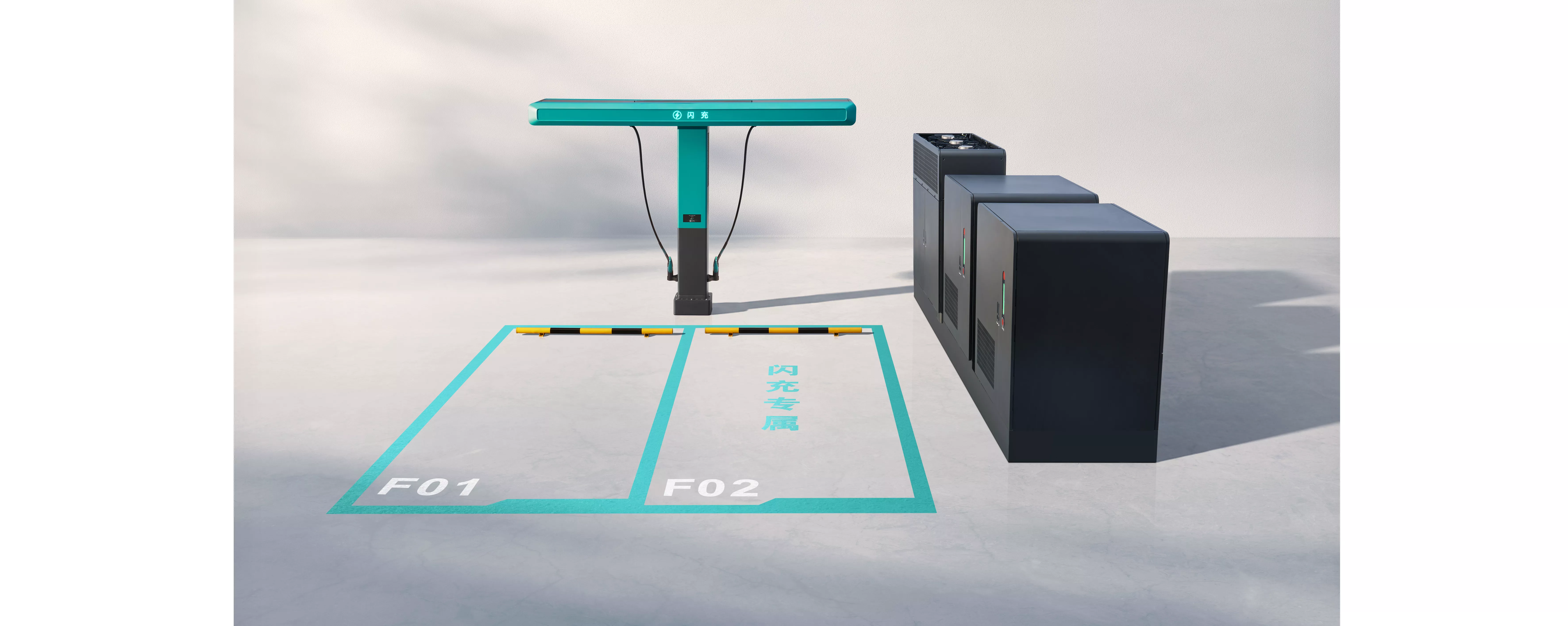 BYD has presented the second generation of its Blade Battery together with a new FLASH Charging system. The announcement focuses on two practical concerns for electric-car drivers, the length of a charging stop and charging performance in very cold weather. The manufacturer claims a 10–70% charge in five minutes and a 10–97% charge in nine minutes. Its cold-weather example uses a different starting point, with 20–97% taking twelve minutes at −30°C. These are BYD's announced figures for the new battery and charging system, so comparisons should retain the exact temperature and state-of-charge windows. Press photograph supplied by BYD. View photograph and source. Battery changes and the charger behind the figures Blade Battery 2.0 retains lithium iron phosphate chemistry. BYD reports a 5% increase in energy density and describes changes to the cathode, electrolyte and anode intended to reduce resistance and move lithium ions more quickly. It also describes a revised protective layer at the anode designed to combine fast ion transport with chemical stability. The accompanying charger can deliver up to 1,500 kW through one connector in its Chinese-market specification. The station design suspends the cables above the ground, while an integrated energy-storage system can accumulate energy at a lower rate and discharge it rapidly during a vehicle charging session. Press photograph supplied by BYD. View photograph and source. BYD reports 4,239 FLASH Charging stations operating in China as of 5 March 2026, with a target of 20,000 by the end of the year. It also announces an international rollout, with details to follow. For European buyers, the immediate model to follow is the DENZA Z9GT, which BYD identifies as the first European customer application. Final European specifications are still due. The release's reference to more than 1,000 km of range uses China's CLTC test cycle. European model-specific range figures and local charger availability will be the relevant information when comparing cars for a particular journey. Press photographsPhotograph 1Photograph 2Photograph 3Browse the News gallery. Adapted by the BYDbase editorial team from the official BYD press release published 05 March 2026. Published on BYDbase by PTiCA. Photographs © BYD. This article is filed under the original press-release date. Editorial adaptation and source check completed on 6 November 2026.
-
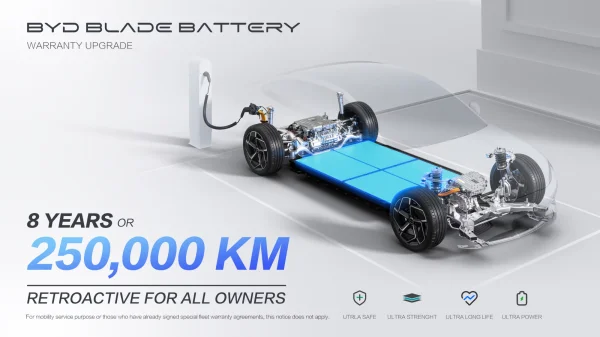 BYD extends European Blade Battery cover to 250,000 km — press photograph Official BYD press image, curated by the BYDbase editorial team and uploaded by PTiCA. Credit: BYD. Press release published 2026-01-15. BYD press release · Source photograph. Reference: bydbase-news:byd-press-28517-hero. Read the BYDbase article.
-
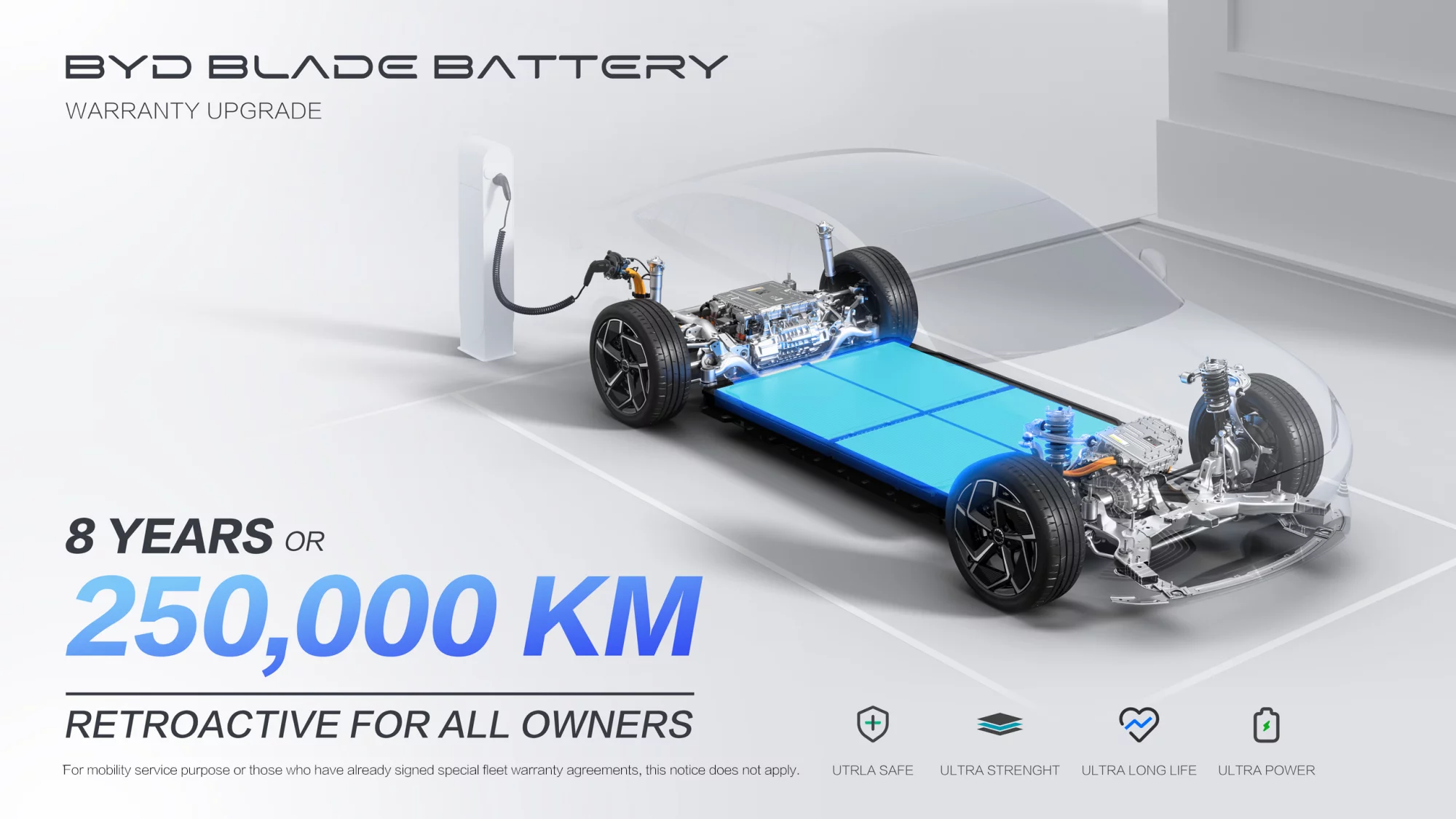 BYD has raised the mileage limit of its European Blade Battery warranty to 250,000 km while retaining the eight-year duration. The announcement also keeps the minimum battery State of Health threshold at 70 percent and extends the change to existing eligible cars as well as new vehicles. The territorial scope is specific. BYD lists the European Economic Area, Switzerland and the United Kingdom, covering both its battery electric and Super Hybrid passenger cars. The release excludes vehicles used for mobility services, vehicles covered by individual fleet agreements and the ETP3. Those conditions define which owners can use the expanded cover described here. For an eligible existing owner, the change is the higher mileage allowance under the battery policy. The announcement presents the extension as automatic. A warranty discussion still benefits from identifying the car's market, vehicle category and the applicable policy, particularly where fleet or commercial use is involved. BYD also lists the other cover offered alongside the battery policy in this European announcement. These are a six-year or 150,000 km vehicle warranty, a twelve-year anti-perforation warranty without a mileage limit, and eight years or 150,000 km for the electric drive unit. The different limits are relevant when members describe which component a warranty question concerns. Blade Battery uses lithium iron phosphate chemistry. BYD supports its durability claims with laboratory testing, including more than 3,000 charge and discharge cycles in its stated test programme. Those test results describe the manufacturer's development evidence, while the eight-year, 250,000 km and 70 percent State of Health terms define the battery cover announced for eligible European owners. The release's regional scope should remain attached to any summary shared with readers in the Americas. Press photographsPhotograph 1Browse the News gallery. Adapted by the BYDbase editorial team from the official BYD press release published 15 January 2026. Published on BYDbase by PTiCA. Photographs © BYD. This article is filed under the original press-release date. Editorial adaptation and source check completed on 6 November 2026.
-
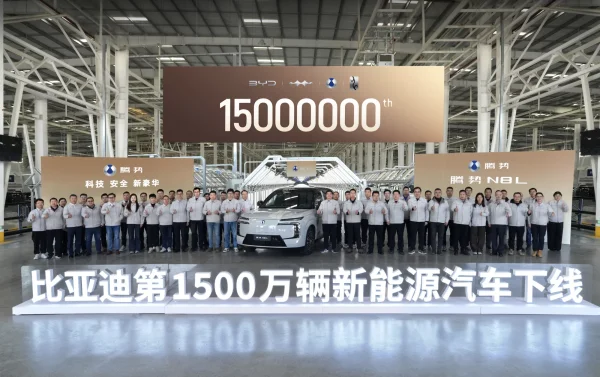 BYD reaches 15 million new energy vehicles with a DENZA N8L — press photograph Official BYD press image, curated by the BYDbase editorial team and uploaded by PTiCA. Credit: BYD. Press release published 2025-12-18. BYD press release · Source photograph. Reference: bydbase-news:byd-press-21305-hero. Read the BYDbase article.
-
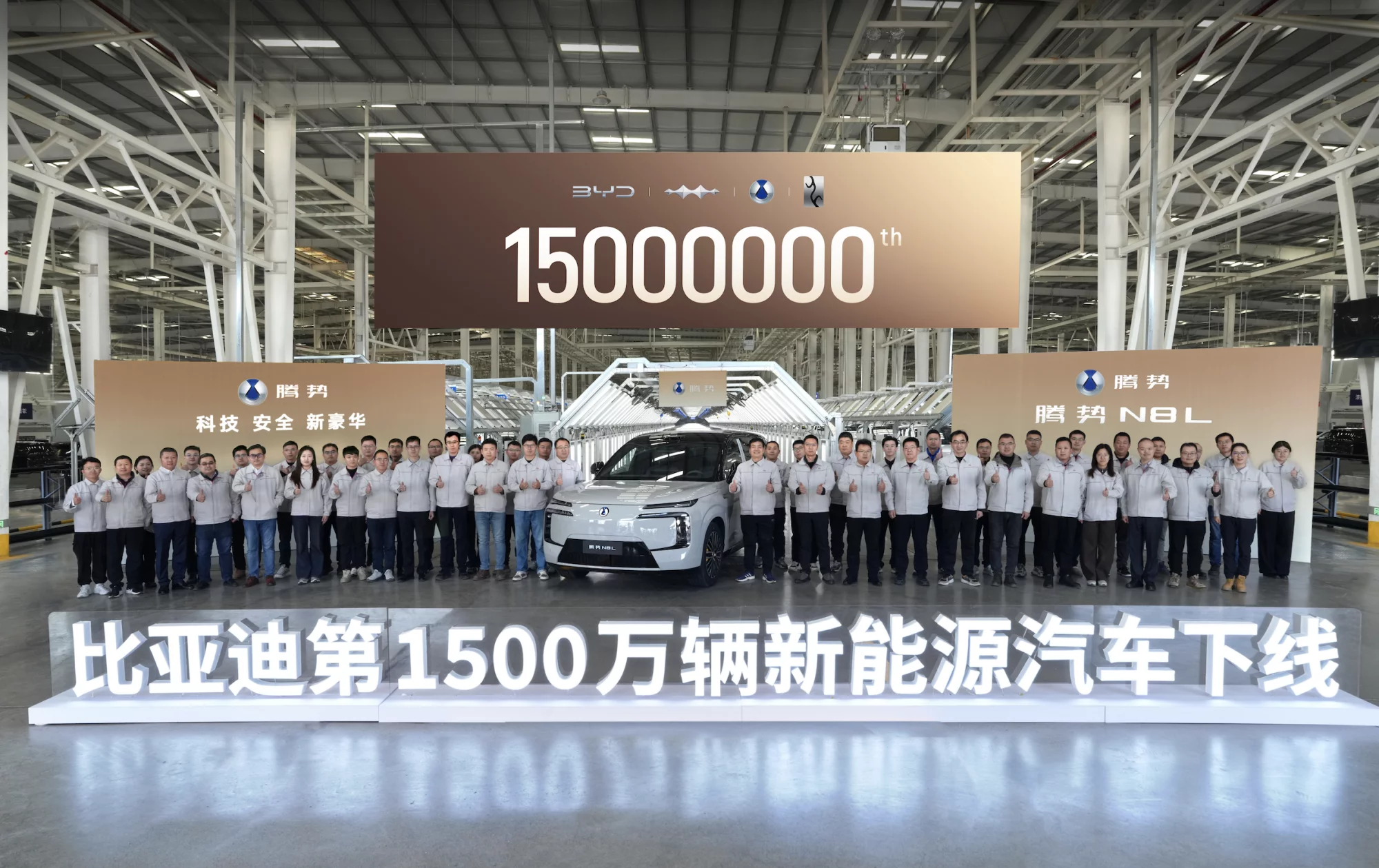 BYD has marked production of its 15-millionth new energy vehicle at the Jinan factory in China. The milestone car was also the 15,000th DENZA N8L, a large six-seat premium SUV using the group's Super Hybrid powertrain and e3 platform technology. The term new energy vehicle matters when reading the total. BYD uses it for both battery electric cars and plug-in hybrids, so the milestone combines those two types of electrified vehicle. It is also a cumulative production figure. The company reports its overseas sales separately in the announcement. BYD traces the start of this sequence to the F3DM plug-in hybrid in 2008. Reaching the first million took 13 years, while the increase from 10 million to 15 million took a further 13 months. The preceding 14-millionth vehicle left the line on 9 October 2025, illustrating the pace of the production figures quoted in the release. For the first eleven months of 2025, BYD reports production of 4.182 million vehicles, up 11.3 percent year on year. Overseas sales reached 917,000 in the same period, exceeding its full-year 2024 overseas result. The company says its vehicles are available in more than 110 countries and regions. The European section of the release records a presence in 33 countries and more than 1,000 sales outlets, with a plan to double that outlet count by the end of 2026. It also points towards DENZA's European introduction and Flash Charging arriving in the region in 2026. For members following the brand's expansion, these production, sales and retail-network figures describe different parts of the business and provide a dated baseline for tracking later announcements. Press photographsPhotograph 1Browse the News gallery. Adapted by the BYDbase editorial team from the official BYD press release published 18 December 2025. Published on BYDbase by PTiCA. Photographs © BYD. This article is filed under the original press-release date. Editorial adaptation and source check completed on 6 November 2026.
-
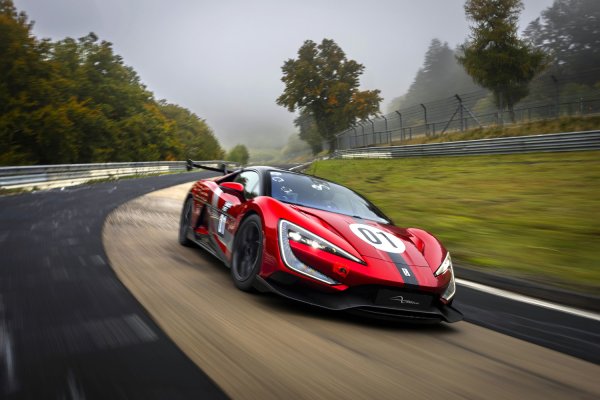 YANGWANG U9 Xtreme records a sub-seven-minute Nürburgring lap — press photograph 1 Official BYD press image, curated by the BYDbase editorial team and uploaded by PTiCA. Credit: BYD. Press release published 2025-10-21. BYD press release · Source photograph. Reference: bydbase-news:byd-press-1382-inline-1. Read the BYDbase article.
-
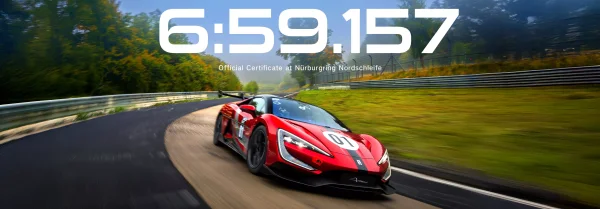 YANGWANG U9 Xtreme records a sub-seven-minute Nürburgring lap — press photograph Official BYD press image, curated by the BYDbase editorial team and uploaded by PTiCA. Credit: BYD. Press release published 2025-10-21. BYD press release · Source photograph. Reference: bydbase-news:byd-press-1382-hero. Read the BYDbase article.
-
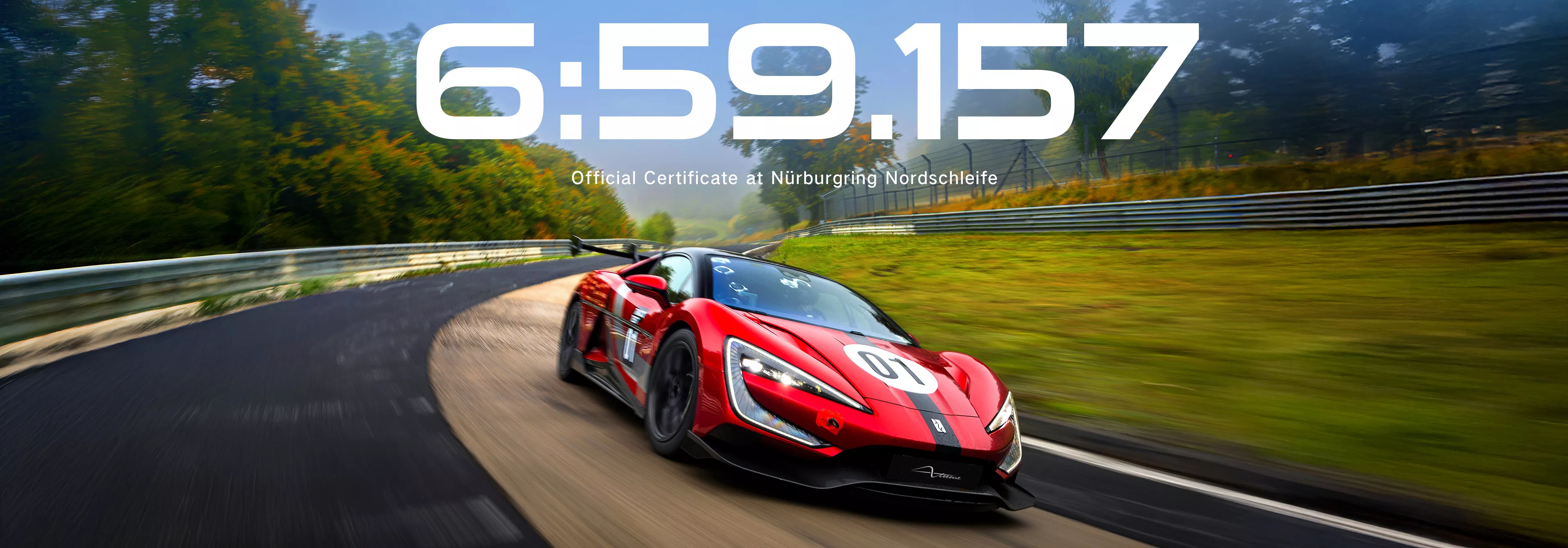 YANGWANG says the U9 Xtreme completed the 20.832 km Nürburgring Nordschleife in 6 minutes 59.157 seconds on 22 August 2025. The company published the result on 21 October, presenting it as a record for the electric super sports car class and an improvement of more than five seconds over the previous class benchmark. Moritz Kranz drove the lap. YANGWANG says its development team has been testing at the circuit since July 2024, using the work to refine the U9 Xtreme's combination of powertrain and chassis systems. The full circuit length and the manufacturer's stated vehicle class are useful details when comparing the time with other published laps. Press photograph supplied by BYD. View photograph and source. The car uses a 1,200 V platform and four motors, each capable of up to 30,000 rpm. Combined power exceeds 3,000 PS in the manufacturer's figures. It retains the e4 drive architecture and DiSus-X body control concept of the standard U9, with adaptations for the sustained loads of circuit driving. The development work extends beyond motor output. YANGWANG describes a redesigned cooling system, a revised carbon-ceramic braking package and GitiSport e·GTR² PRO semi-slick tyres developed with Giti. On a circuit with repeated braking zones, elevation changes and varied corners, those systems help explain why a lap-time result is a separate engineering exercise from a top-speed attempt. The U9 Xtreme is offered in a production run limited to 30 cars. The same release also refers to its 496.22 km/h high-speed performance. The published circuit length, driver, vehicle configuration and record class place the lap alongside the separate top-speed attempt in YANGWANG's development programme. Press photographsPhotograph 1Photograph 2Browse the News gallery. Adapted by the BYDbase editorial team from the official BYD press release published 21 October 2025. Published on BYDbase by PTiCA. Photographs © BYD. This article is filed under the original press-release date. Editorial adaptation and source check completed on 6 November 2026.
-
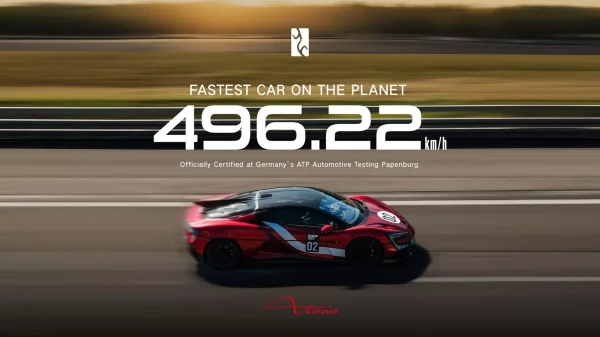 YANGWANG announces a 496.22 km/h run for the limited U9 Xtreme — press photograph Official BYD press image, curated by the BYDbase editorial team and uploaded by PTiCA. Credit: BYD. Press release published 2025-09-20. BYD press release · Source photograph. Reference: bydbase-news:byd-press-554-hero. Read the BYDbase article.
-
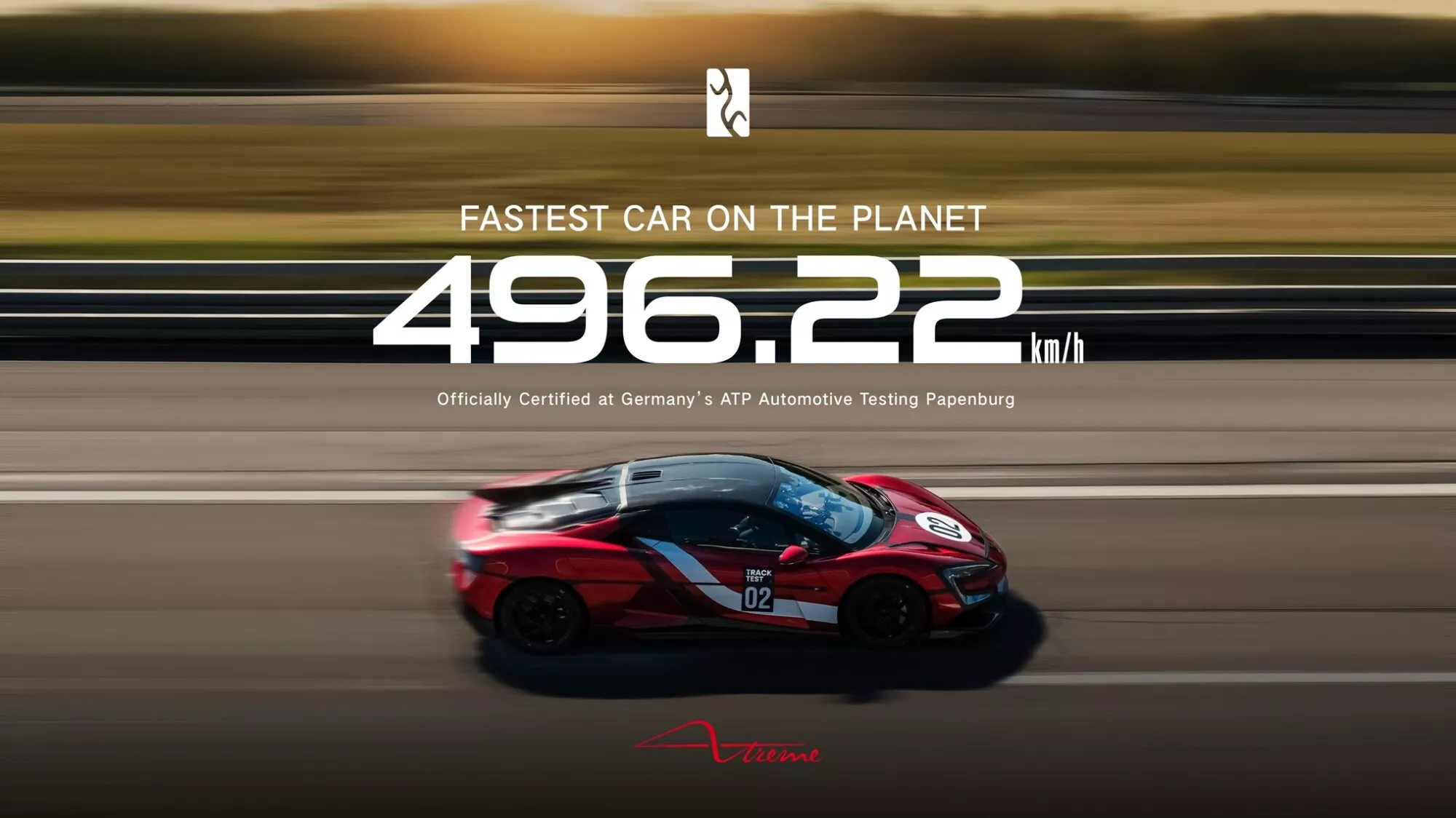 YANGWANG has announced that the U9 Xtreme reached 496.22 km/h at the ATP test track in Germany on 14 September 2025. Marc Basseng drove the car during the attempt. The manufacturer presents the result as a new production car speed record, exceeding its previous electric car benchmark. The car previously described as the U9 Track or Special Edition now carries the U9 Xtreme production name, shortened to U9X. YANGWANG says it is being offered to customers in a series limited to a maximum of 30 examples, making the specification of that small production run central to the record claim. Its electrical architecture operates at 1,200 V, compared with 800 V for the standard U9 described in the release. A lithium iron phosphate Blade Battery is specified with a 30C discharge capability. The four motors can turn at up to 30,000 rpm, with combined power exceeding 3,000 PS according to the manufacturer. The battery discharge rating concerns power delivery to the motors during demanding driving. Other changes address the loads generated by track use. The U9X uses semi-slick tyres and a revised DiSus-X suspension configuration. These elements sit alongside the electrical and cooling developments needed to use the available motor output at very high speed. The useful comparison for forum readers is between complete vehicle configurations and the way each test is conducted. This release reports a peak speed achieved at a specialist test facility by a professional driver. Details such as the production specification, tyres and measurement protocol belong alongside the headline figure when discussing records across different manufacturers. The U9X demonstrates how far BYD's luxury brand is taking its four-motor architecture in a very limited-volume application. Press photographsPhotograph 1Browse the News gallery. Adapted by the BYDbase editorial team from the official BYD press release published 20 September 2025. Published on BYDbase by PTiCA. Photographs © BYD. This article is filed under the original press-release date. Editorial adaptation and source check completed on 6 November 2026.
-
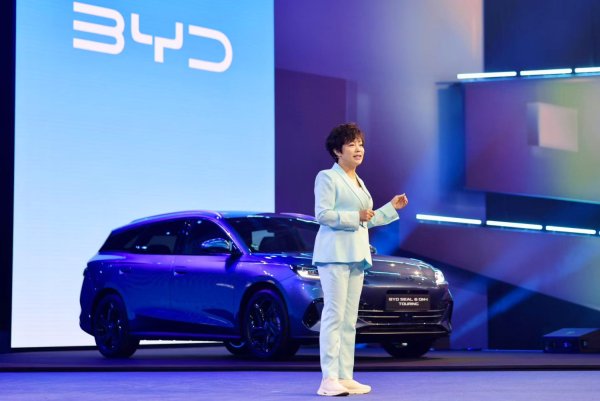 BYD brings the SEAL 6 DM-i TOURING and Flash Charging plans to IAA — press photograph 1 Official BYD press image, curated by the BYDbase editorial team and uploaded by PTiCA. Credit: BYD. Press release published 2025-09-09. BYD press release · Source photograph. Reference: bydbase-news:byd-press-21005-inline-1. Read the BYDbase article.
-
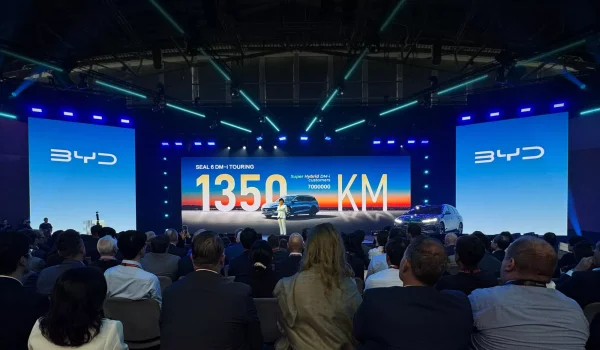 BYD brings the SEAL 6 DM-i TOURING and Flash Charging plans to IAA — press photograph Official BYD press image, curated by the BYDbase editorial team and uploaded by PTiCA. Credit: BYD. Press release published 2025-09-09. BYD press release · Source photograph. Reference: bydbase-news:byd-press-21005-hero. Read the BYDbase article.
-
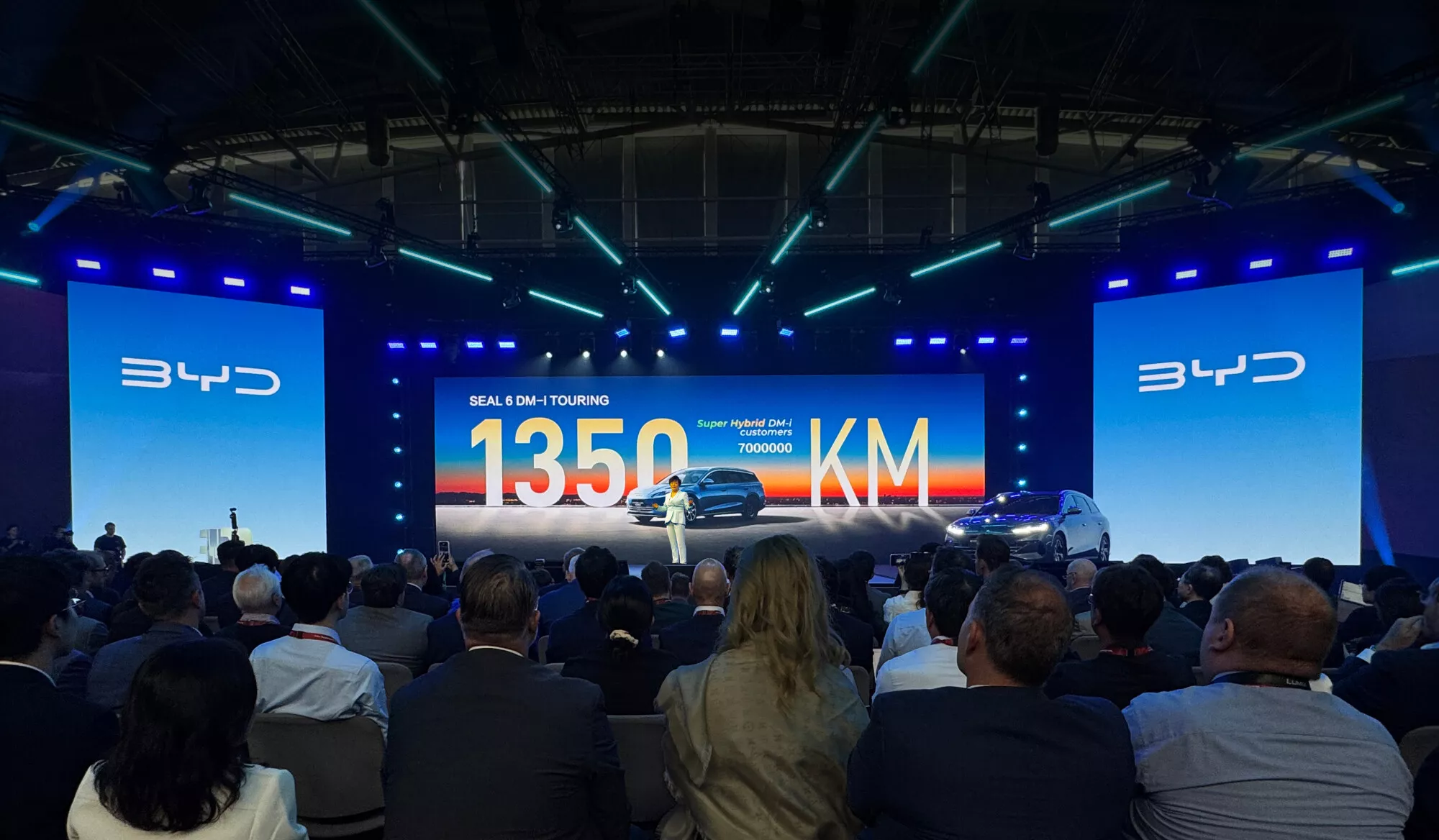 BYD's IAA Mobility programme centres on the SEAL 6 DM-i TOURING, a plug-in hybrid estate aimed at European family car buyers. The company presents the model as a new body style for its DM hybrid technology, with a claimed combined range of up to 1,505 km. That range figure needs to be read with its measurement conditions in mind. This announcement quotes a maximum combined range but gives limited detail about the version and test basis behind it. Battery capacity, electric-only range, boot space and the final market specification will be the useful comparison points for members considering an estate alongside the existing BYD saloons and SUVs. Press photograph supplied by BYD. View photograph and source. The same release outlines plans to bring Flash Charging to Europe. BYD says DENZA will lead the introduction and that it plans 200 to 300 stations by the second quarter of 2026. These are deployment targets announced at the show, so location information and confirmed opening dates will matter when assessing the network for a particular journey. At Munich's public displays, BYD describes a demonstration of 1,000 kW Flash Charging and a claim of roughly 400 km of added range in five minutes. That figure belongs to the charging demonstration and compatible vehicle technology presented by the manufacturer. Charging performance in use depends on the car, its battery conditions and the station. DENZA's programme includes the D9 MPV and Z9GT, while the wider display covers cars such as the SEAL, SEAL U DM-i, DOLPHIN SURF, ATTO 2 and SEALION 7. The show pairs a family estate joining the European hybrid range with the infrastructure plans needed to support the group's higher charging power. Press photographsPhotograph 1Photograph 2Browse the News gallery. Adapted by the BYDbase editorial team from the official BYD press release published 09 September 2025. Published on BYDbase by PTiCA. Photographs © BYD. This article is filed under the original press-release date. Editorial adaptation and source check completed on 6 November 2026.
-
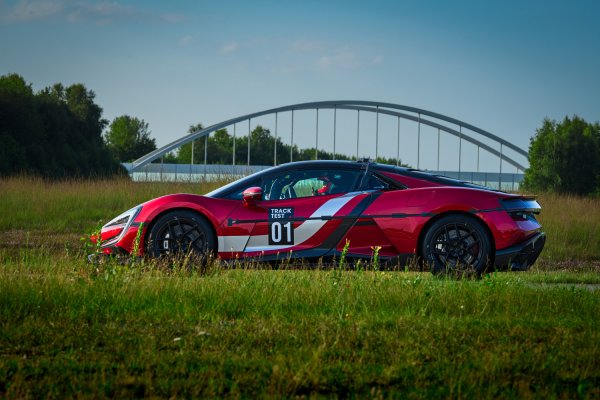 YANGWANG U9 Track Edition reaches 472.41 km/h in Germany — press photograph 2 Official BYD press image, curated by the BYDbase editorial team and uploaded by PTiCA. Credit: BYD. Press release published 2025-08-26. BYD press release · Source photograph. Reference: bydbase-news:byd-press-1331-inline-2. Read the BYDbase article.
-
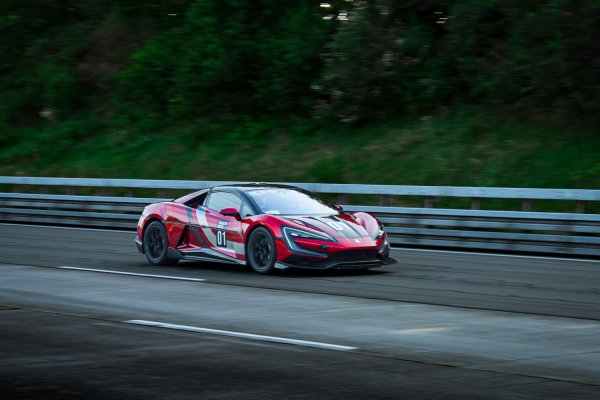 YANGWANG U9 Track Edition reaches 472.41 km/h in Germany — press photograph 1 Official BYD press image, curated by the BYDbase editorial team and uploaded by PTiCA. Credit: BYD. Press release published 2025-08-26. BYD press release · Source photograph. Reference: bydbase-news:byd-press-1331-inline-1. Read the BYDbase article.
-
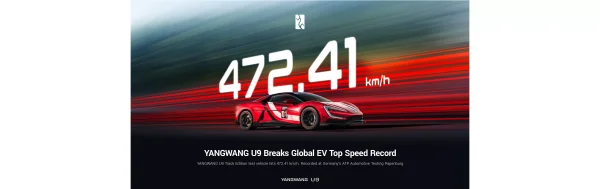 YANGWANG U9 Track Edition reaches 472.41 km/h in Germany — press photograph Official BYD press image, curated by the BYDbase editorial team and uploaded by PTiCA. Credit: BYD. Press release published 2025-08-26. BYD press release · Source photograph. Reference: bydbase-news:byd-press-1331-hero. Read the BYDbase article.
-
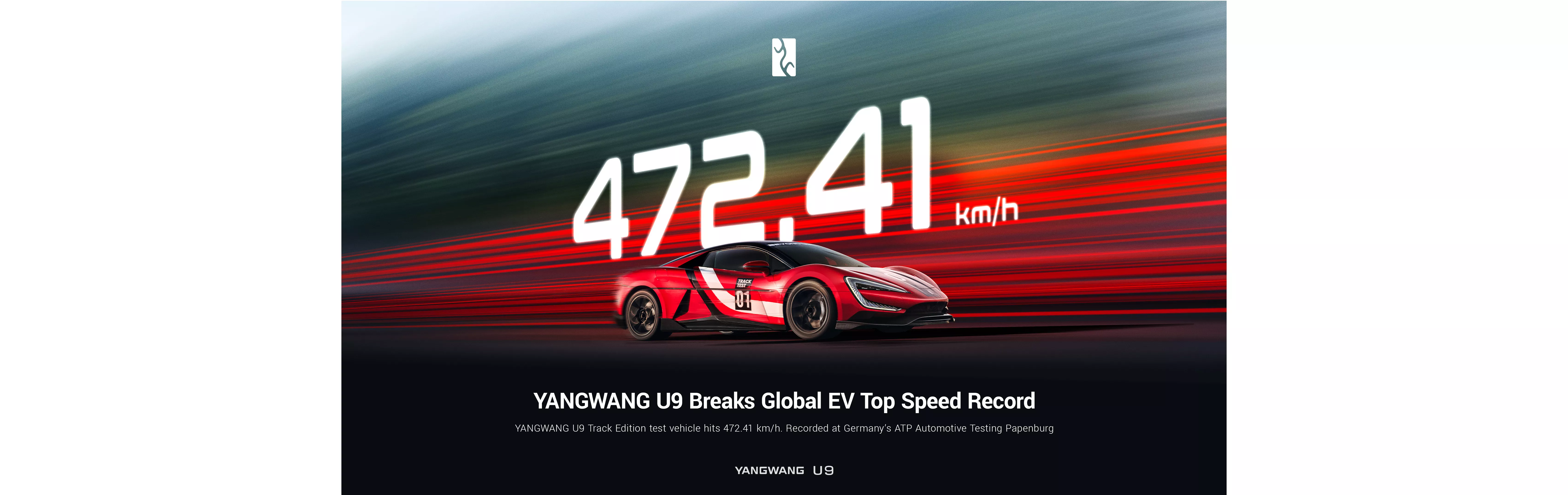 YANGWANG says its U9 Track Edition reached 472.41 km/h at the ATP Automotive Testing Papenburg facility in Germany on 8 August 2025. Racing driver Marc Basseng drove the car, with the BYD luxury brand presenting the result as a new electric car speed record. The Track Edition develops the e4 platform and DiSus-X body control architecture used by the U9 sold in China. Its major changes include a 1,200 V electrical system and revised thermal management, designed to sustain the demands of the high-speed attempt. Press photograph supplied by BYD. View photograph and source. Four electric motors provide independent drive at each wheel. YANGWANG gives their maximum speed as 30,000 rpm and output as 555 kW per motor. The company says the e4 control system adjusts wheel torque more than 100 times a second, using feedback from the road to manage how the car applies its power. DiSus-X adds active control of the suspension at each corner. In the manufacturer's description, this controls body movement during acceleration and cornering and helps manage tyre contact with the road. The development programme also involves Giti Tire, with a semi-slick designed for track use and the loads generated by the car's acceleration and braking. Press photograph supplied by BYD. View photograph and source. For a technical discussion, the interesting combination is the electrical system, sustained cooling, tyres and vehicle control working together. Peak motor power is only one element of a high-speed run. The figure announced here belongs to the Track Edition in its test configuration, at a dedicated facility with a professional driver. Its relevance to everyday BYD cars is the engineering approach behind independent motor control and thermal management. The release provides a manufacturer-reported test result to examine alongside the specific configuration that produced it. Press photographsPhotograph 1Photograph 2Photograph 3Browse the News gallery. Adapted by the BYDbase editorial team from the official BYD press release published 26 August 2025. Published on BYDbase by PTiCA. Photographs © BYD. This article is filed under the original press-release date. Editorial adaptation and source check completed on 6 November 2026.
-
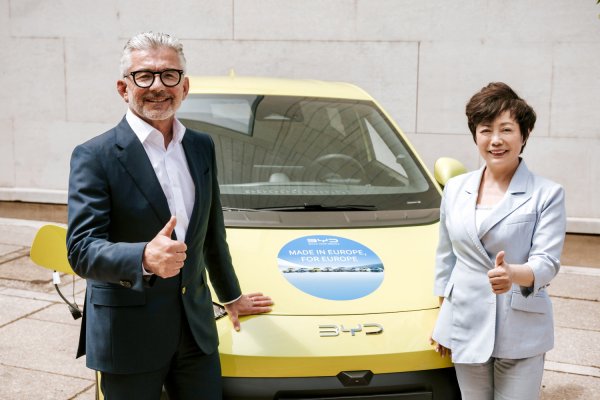 BYD names a Szeged steel supplier and announces an Austrian V2H pilot — press photograph 2 Official BYD press image, curated by the BYDbase editorial team and uploaded by PTiCA. Credit: BYD. Press release published 2025-06-24. BYD press release · Source photograph. Reference: bydbase-news:byd-press-8693-inline-2. Read the BYDbase article.